Recent Posts

‘Tis The Season : Maple Baked Beans

‘Tis The Season : Maple Baked Beans

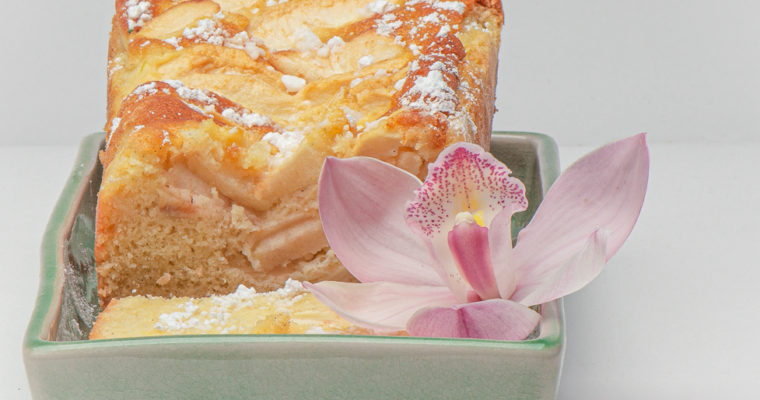
  In this season of everything pumpkin and maple, what better treat than Maple Baked Beans? Maple syrup is, after all, good in just about everything and the contrast of sweet and savory flavors in baked beans never gets old. If you’ve been wondering about…

Frittering Away A Lazy Sunday Afternoon: Zucchini and Carrot Fritters

Frittering Away A Lazy Sunday Afternoon: Zucchini and Carrot Fritters

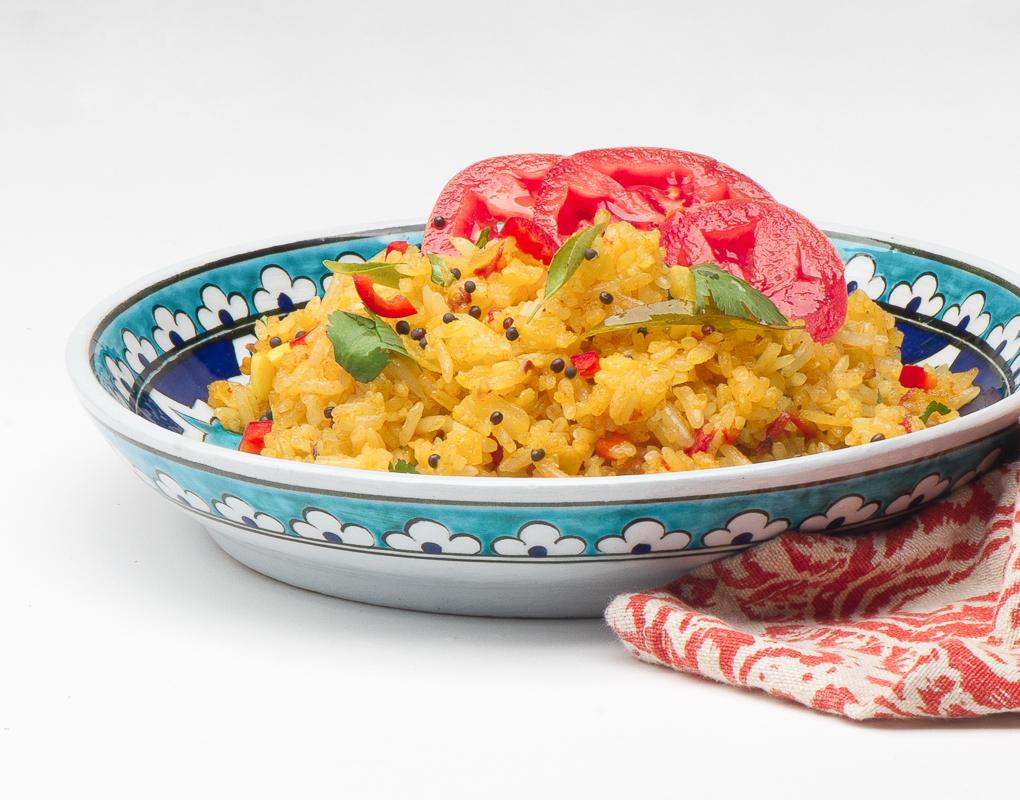
Gorengan. Tempura. Kuku. Bhaji. Beignet. Everybody makes fritters. Even Martha Washington. She made Ale and Apple Fritters– presumably for an appreciative George. A fritter, by definition, is simply a fried pastry. It can be either sweet or savory and can include fruit, vegetables, seafood or…

Woo-hoo! Blue Cayenne is Four.

Woo-hoo! Blue Cayenne is Four.

Cue the music.

Wild celebration here.

Juliet is salsa dancing down the hall and I’m wearing a silly party hat. This month marks Blue Cayenne’s fourth birthday.

Here we are writing our 315th blog post. Who knew?


Thank you for reading this blog and thank you to those of you who have given us words of encouragement. Particular thanks go to those who have served as recipe tasters for Blue Cayenne (Sarah and Gene, you know who you are!), to Marion Sutton who is Blue Cayenne’s biggest fan and promoter, and to Al Nomura, my patient and talented photography mentor. It turns out that it takes a village to sustain a food blog.

Here is a great celebratory cake: Brown Butter Cake With Bruised Pears And Walnuts. The brown butter flavor in this cake is definitely worthy of an important celebration. The cake is moist and almost puddingy (is that a word?). You will definitely want to try this one!

Brown Butter Cake With Bruised Pears and Walnuts

October 9, 2019
: 8 to 10
Ingredients
  • 1 1/4 C. walnuts
  • 2 1/4 sticks butter
  • 1 t. vanilla paste
  • 1 T. honey
  • 2 very ripe medium pears
  • 1/2 C. all-purpose flour
  • 2 1/2 t. salt
  • 6 egg whites (room temperature)
  • 1 C. granulated sugar
  • Whipped cream for garnish
Directions
  • Step 1 Preheat your oven to 350 degrees F. and prepare a springform pan by greasing it, lining it with parchment paper and then greasing the parchment.
  • Step 2 Toast walnuts. Cool walnuts to room temperature. Put the cooled walnuts into your food processor and process until the walnuts are finely ground and you are just beginning to see the walnuts turn slightly creamy. Set aside.
  • Step 3 Put vanilla and butter into a medium pan and heat over high heat until the butter is golden brown and very fragrant. You will need to stir the butter mixture constantly to be sure it doesn’t burn.   If you have a lot of dark sediment in your butter mixture (you will), strain it out. (It is, by the way, critical that you cool the butter mixture to room temperature. Failing to do that will result in deflating the meringue when you add the butter to the meringue.) Pour the brown butter into a large bowl, then stir in the wanuts and honey. Set the butter mixture aside to cool.
  • Step 4 Peel the pears. Core them and cut out and discard any really brown pieces of pear. Cut the pears into thin slices and set aside.
  • Step 5 Once your butter mixture has cooled (but before it has solidified), stir in the flour and salt. Set aside.
  • Step 6 Using a hand or countertop mixer and the whisk attachment, whip the room temperature egg whites at high speed until they turn opaque. Slowly add the sugar to the egg whites and continue whisking until the egg whites are shiny and thick.
  • Step 7 Next, fold the cooled brown butter mixture into the egg white mixture. Do this in three batches being careful not to deflate the egg whites.
  • Step 8 Pour batter into prepared springform pan. Cover the batter with the sliced pears. Bake for 45 minutes to one hour. (My cake took an hour.) You want the top of the cake to be a golden brown and you want a cake tester or toothpick to come out clean when stuck into the middle of the cake.


This recipe was adapted from one that appears on the James Beard Foundation site here.

The Best Things In Life Are…Well …Simple: James Beard’s Macaroni and Cheese

The Best Things In Life Are…Well …Simple: James Beard’s Macaroni and Cheese

  “Our life is frittered away by detail… simplify, simplify.” Henry David Thoreau     This very simple James Beard recipe for macaroni and cheese caught my eye on a day when I was craving the quintessential American dish. Sometimes a simple recipe reminds us…

Soup Weather: Spicy Fresh Corn and Coconut Soup

Soup Weather: Spicy Fresh Corn and Coconut Soup

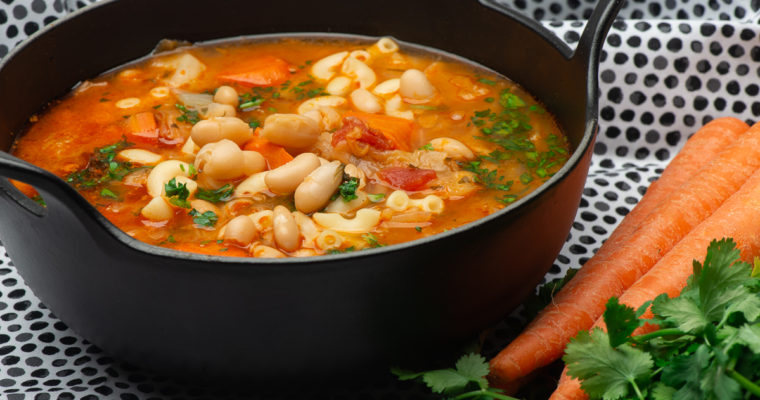
Fall. Crisp, cool mornings. Pungent loamy soils and bursts of intense garden color. Juliet lifting her tiny nose to savor the new chill in the air. Soup weather. Finally. Spicy Fresh Corn and Coconut Soup Save Recipe Print Recipe My Recipes My Lists My Calendar…

Exquisite Palate? Balsamic Strawberry Ice Cream

Exquisite Palate? Balsamic Strawberry Ice Cream

With the advent of fall, those fresh, plump, sweet strawberries that graced market displays mid-summer are hard to come by. So, if you haven’t already gotten your strawberry fix for the year, here is an idea: Roast your strawberries. The roasting deepens the flavor of even second-tier berries.

For an added pop of flavor, drizzle a bit of your best balsamic vinegar over the strawberries before you roast them. The syrupy balsamic sweetens the berries.

Balsamic, by the way, has been made for about a thousand years, although the term balsamic vinegar wasn’t widely used until the 18th Century. Originating in the Modena and Reggio Emilia regions of Italy, early balsamics were the product of very limited craft production. Their cost and scarcity kept the vinegar mostly on the tables of the nobility where it was valued as a specialty vinegar suitable only for those rarefied nobles with exquisite palates. At the time, the vinegar was known as Noble’s Vinegar to distinguish it from the Commoner’s Vinegar that was consumed by the rest of the region’s population. Interestingly, it was Napoleon’s armies who changed that dynamic when they invaded Modena in 1796 and subsequently pillaged the estates of the region’s nobles. In the process, precious kegs of Noble’s Vinegar were “liberated” and sold, thus spreading awareness of the vinegar across Europe.

What makes balsamic vinegar so special? The production process is lengthy and the amount of balsamic produced is relatively small. Balsamic is made from grape pressings that are boiled and reduced to a syrup. The syrup is then aged (and its volume reduced) for at least twelve years (more for the really good stuff) in a succession of wooden kegs–chestnut, cherry wood, ash, mulberry and juniper–with each wooden keg adding a bit of distinctive flavor.

Here is an interesting short video that describes the process of making balsamic: How Balsamic Is Made. If you are a curious foodie (and who isn’t?), this video is worth your time to watch.

Why are some balsamics so expensive? The price of balsamic reflects the length of time that the balsamic has been aged. Amazon is offering a bottle of Giusti 100 for a whopping $975.93. The Giusti has been aged for at least 100 years and the label is engraved in 24-carat gold. (The Giuseppe Giusti Company is the oldest vinegar producer in the world. They opened their doors in 1603.) It’s a 3.4 fluid ounce bottle. That’s $287 per fluid ounce. Wow!  That’s a bargain, by the way. Another site is selling the same bottle for $1199.99.


Here is an excellent Balsamic Roasted Strawberry Ice Cream recipe.

Balsamic Roasted Strawberry Ice Cream
Save RecipeSave Recipe

Ingredients

    For the Strawberries
  • 1 pound fresh strawberries
  • 4 T. balsamic vinegar
  • 4 T. sugar
  • For the Vanilla Base
  • 1/2 to 3/4 C. granulated sugar
  • 2 C. cream
  • 1 C. half and half or 2% milk
  • 1 t. pure vanilla extract or vanilla paste

Instructions

  1. Pepare your fresh strawberries by washing the berries, removing the green stems, and drying the berries. Toss the berries with the sugar and balsamic vinegar and place the berries on a cookie sheet in a single layer. Bake at 300 degrees F. for 30 minutes. Remove the berries from the oven and cool.
  2. Once the berries have cooled, blend them until you they are smooth (or coarsely chop them). Be sure to scrape any remaining balsamic glaze into the berries. Put this berries in your refrigerator overnight to allow the flavors to bloom.
  3. The next day, stir sugar, cream, and half and half (or milk) together with the vanilla. Add the strawberries to the cream mixture. Process in your ice cream maker according to the directions for your machine. (As an alternative, you can stir some sliced or chopped fresh strawberries into the batter before your process your ice cream.)

Nutrition

Calories

2646 cal

Fat

74 g

Carbs

371 g

Protein

27 g
Click Here For Full Nutrition, Exchanges, and My Plate Info
7.8.1.2
214
https://bluecayenne.com/exquisite-palate-balsamic-strawberry-ice-cream


This ice cream recipe was adapted from one that appears on the Barbara Bakes site. You can find it here:Barbara Bakes.

You CAN Win Friends With Salad: Two Vinaigrettes

You CAN Win Friends With Salad: Two Vinaigrettes

The Simpsons were wrong. You CAN win friends with salad…at least with one dressed with a fantastic vinaigrette. (The Simpsons: “You Don’t Win Friends With Salad.”) Today you get two excellent vinaigrette recipes. The vinaigrette on the left is a fresh fig vinaigrette. The one…

You Can Never Have Too Much Gazpacho

You Can Never Have Too Much Gazpacho

De gazpacho no hay empacho. It’s a Spanish idiom. You can never have too much gazpacho. Or, translated for meaning, you can never have too much of a good thing. So, in that spirit, here is a very good gazpacho recipe. Pretty, too.   Gazpacho…

Vanilla Cake With Peaches and Fennel Seeds

Vanilla Cake With Peaches and Fennel Seeds

This elegant little vanilla cake is a keeper. It is good enough to serve guests and a delicious self-indulgence when you raid the kitchen at midnight.

I’m always drawn to a recipe that makes interesting use of an ingredient that is unusual in its genre. In this case, this peach cake uses fennel seeds which have a subtle licorice-like flavor.

If you are not familiar with fennel and fennel seeds, here is a photo. Both are readily available in your market.


Fennel has been consumed for a very long time. Reportedly, Roman warriors believed that fennel seeds gave them extra strength and kept them thin. The discussion of fennel in the diet made its way into ancient mythology, too. Prometheus, for example, hid fire in a fennel stalk. Dionysus carried a wand of fennel.

During the Middle Ages, Charlemagne decreed that fennel must be grown in every garden, believing that the herb bore healing properties. Medieval Europeans also stuffed fennel fronds in keyholes and hung it on doors to ward off ghosts. Even the Puritans bought into the fennel story. Reportedly, they carried the idea of consuming fennel seeds in church from Europe to America, believing that chewing the seeds would suppress stomach sounds during services.  Fennel seeds were called “meeting seeds.”

Today, fennel bulbs and seeds are pretty widely used in stews and gratins. They also are still used as a digestive. Next time you are out enjoying an Indian meal, be sure to grab a handful of the fennel (and other seeds) commonly left in a bowl beside the register as you leave the restaurant. Indians chew the seeds to freshen their breath and to aid digestion after a heavy meal.

You can find several savory recipes using fennel here on Blue Cayenne. Just type “fennel” into the search bar to the right.


Vanilla Cake With Peaches and Fennel Seeds
Save RecipeSave Recipe

Ingredients

  • 1 t. fennel seeds
  • 125 g. unsalted butter (at room temperature)
  • 1/2 T. vanilla paste (or the seeds of 1/2 vanilla pod)
  • Zest of one lemon
  • Zest of one orange
  • 225 g. granulated sugar (plus 1 t. for sprinkling)
  • A pinch of table salt
  • 3 large eggs
  • 120 g. mascarpone
  • 160 gram all-purpose flour
  • 1/2 t. baking powder
  • 2 peaches
  • Fruit and extra mascarpone for garnishing

Instructions

  1. Preheat oven to 375 degrees F. Prepare 2 small loaf pans (or one large loaf pan) by buttering the pans and putting a strip of parchment in the pan so that it covers the bottom and long sides of the pan. When you cut your parchment paper, cut it long enough to hang over the long sides of the pan. You will use those long overhang strips of parchment as handles to remove the cake from the pan after you've baked it.
  2. Prepare the fennel seeds for your cake by toasting the seeds in a dry pan over medium heat for approximately 5 minutes. The seeds are properly roasted when they give off a toasted aroma. Remove the seeds from the pan and let them cool. Coarsely crush the seeds. Set aside.
  3. Using the bowl of your electric mixer, combine the butter, vanilla, zests, fennel seeds, sugar and salt until it just begins to come together in a ball. (Do not overmix.) Add the room temperature eggs one at a time. Mix each egg thoroughly into the batter before adding the next egg. Add mascarpone, flour and baking powder to the batter and mix at full speed for a few seconds until all the ingredients are well combined.
  4. Prepare the fresh peaches. Slice two pieces off the sides of each peach. Remove the remaining pulp from the peaches and chop into a small dice. Add the chopped peaches to the batter. Slice the peach slices into thin, long slices. You will use these slices to decorate the top of the cake. I placed about five of the long peach slices parallel to each other (and close together) on the top of the cake.
  5. Pour your batter into your prepared pans. Top the batter with slices of the peaches.
  6. Bake for 20-25 minutes until the cake has risen and the top of the cake is golden brown. Test the cake's doneness with a toothpick or wooden skewer. I found that I needed to give my cake extra time in my oven to get it properly done. Ovens vary a lot, so watch your cake carefully as it is baking. When your cake is done, the toothpick should come out clean and the top of the cake should feel firm and bouncy.
  7. Remove the cake from the oven and let it cool in the pan for a few minutes. Remove the cake from the pan using the long sides of parchment that you draped over the sides of your loaf pan. Serve warm or at room temperature. This is great served with slices of fresh fruits like additional peaches or nectarines and/or berries. A dollop of mascarpone on served on top of the cake is also wonderful.
7.8.1.2
211
https://bluecayenne.com/vanilla-cake-with-peaches-and-fennel-seeds

This recipe for Vanilla Cake With Peaches and Fennel Seeds is adapted from one that appears in the Honey and Company cookbook Golden. The book is available here.


Tomato Galette With Honeyed Goat Cheese, Caramelized Shallots and Fresh Thyme

Tomato Galette With Honeyed Goat Cheese, Caramelized Shallots and Fresh Thyme

Summer tomatoes. **sigh** While we still have some late summer tomatoes in our gardens and stores, here is a beautiful galette that showcases their beauty. It is especially beautiful made with some of those big multi-colored heirloom tomatoes.   Tomato Galette Save Recipe Print Recipe…