Recent Posts

Mango Slaw

Mango Slaw

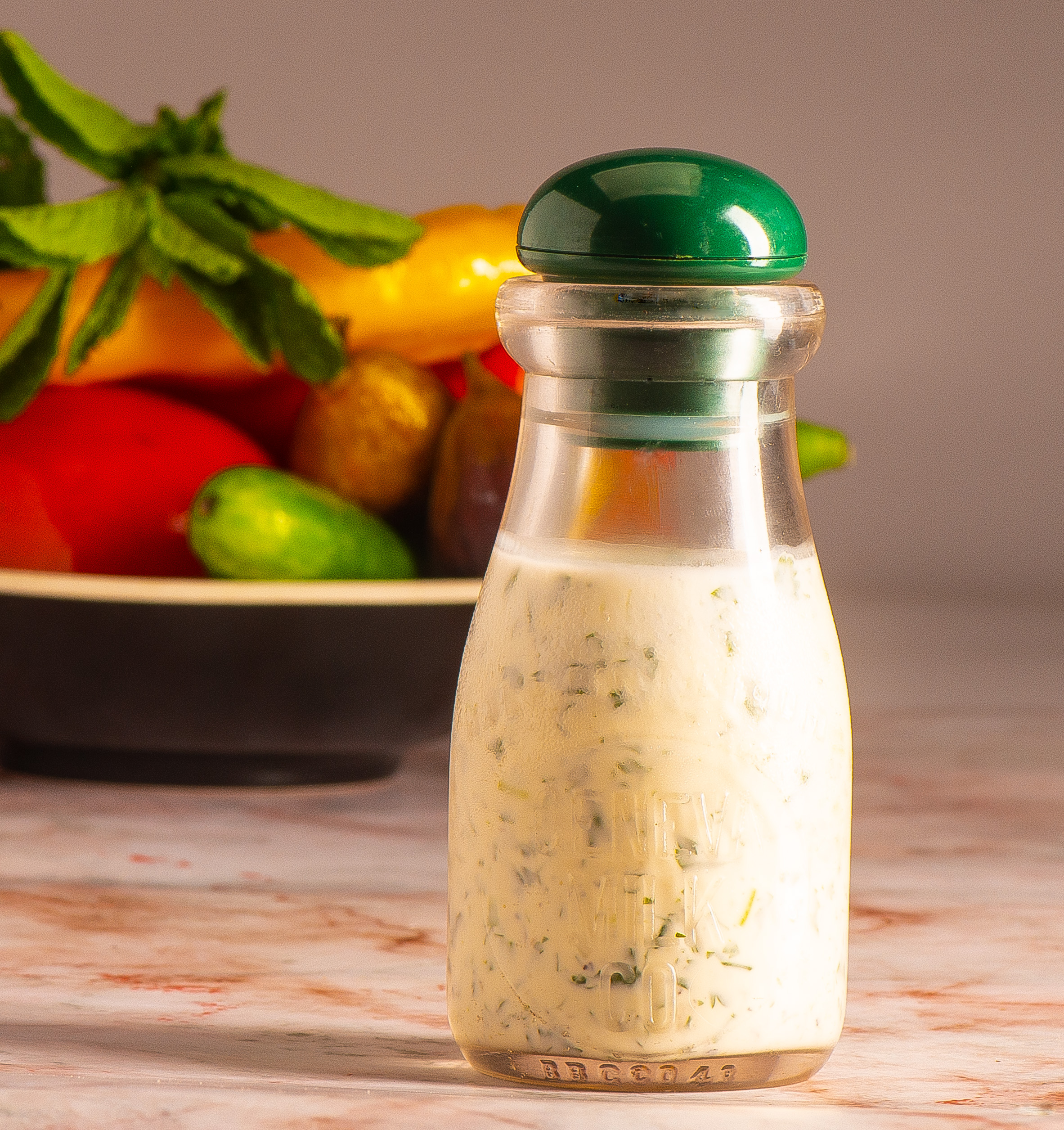
Koolsla? Koolsla is Dutch for what most Americans call coleslaw–cabbage salad. Dutch settlers in New York introduced koolsla to the American table in the 17th and 18th centuries.  This Mango Slaw recipe, with its sweet lime dressing, is a delight. It works with barbecue or as…

Feed Your Inner Emperor: Warm Asparagus Salad With Walnuts and (Slightly) Jammy Eggs

Feed Your Inner Emperor: Warm Asparagus Salad With Walnuts and (Slightly) Jammy Eggs

    Here’s a little history… People have been enjoying asparagus for a very long time. Archaeologists excavated evidence of 3000-year-old asparagus on pottery at the Pyramid of Sakkara in Egypt. Apparently, Nefertiti loved the stuff and had the little stalks offered up to the…

Black-Eyed Peas With Coconut Milk and Ethiopian Spices

Black-Eyed Peas With Coconut Milk and Ethiopian Spices

He was orphaned during the Ethiopian Civil War of the 1970s. Adopted by a Swedish family, he grew up in Gothenburg, Sweden, where he credits his grandmother, Helga, for his love of cooking. Trained in the culinary arts in Sweden, Austria, France and Switzerland, he landed an apprenticeship at the Swedish restaurant Aquavit in New York City and immigrated to the United States at age 24 with $300 in his pocket. He quickly won accolades for his culinary genius– recipient of a James Beard Foundation award as “Best New Chef/NYC” in 2003, author of best-selling cookbooks, guest chef at Barack Obama’s first state dinner in 2009 and on an on. 

Marcus Samuelsson’s story is yet another American immigrant success story. 

And now Samuelsson is giving back. During the pandemic, he converted three of his restaurants into community kitchens and, in partnership with Jose Andres’ World Central Kitchen and Audible, has served more than 250,000 meals to first responders and the needy. 

Here is a PBS profile that was done of Samuelsson by Judy Woodruff and Jeffrey Brown on the occasion of the publication of Samuelsson’s 2020 cookbook The Rise: Black Cooks and the Soul of American Food. Here is the link: Marcus Samuelsson. It’s an interesting interview and  worth your time to watch and listen. 

Here is a Samuelsson recipe for Black-Eyed Peas With Coconut Milk and Ethiopian Spices. It’s wonderful!

Black-Eyed Peas With Coconut Milk and Ethiopian Spices

March 27, 2021
Ingredients
  • 2 C. dried black-eyed peas
  • Kosher Salt
  • 4 T. unsalted butter
  • 1 large red onion (minced)
  • 1 1/2 T. fresh ginger (peeled and minced)
  • 3 garlic cloves (minced)
  • 1 habanero chile (seeded and minced--I used a serrano chile because that is what I had)
  • 2 t. berbere seasoning (or to your taste--berbere is hot! See recipe below if you can't find the spice premade)
  • 1 t. ground turmeric
  • 3 medium tomatoes (chopped)
  • 1 C. coconut milk
  • 1 C. vegetable broth
  • 1/3 C. chopped cilantro
  • 2 green onions (thinly sliced)
  • Garnish of sliced tomato, additional cilantro and green onions)
Directions
  • Step 1 Cook dried black-eyed peas. I used my Instant Pot. I rinsed the peas and soaked them overnight in water to cover. The next day, I drained the peas, covered them in fresh water and cooked them for 20 minutes in the Instant Pot. Alternatively, you could rinse the dried peas, cover them with water and bring them to a boil in a large pot. Once the peas boil, lower the heat to a simmer and cook for about 40 minutes until the peas are thoroughly cooked but still retain their shape. Remove the peas from the heat, add a generous pinch of salt and let the peas sit on the counter for about 5 minutes before draining and using.
  • Step 2 Using a large saucepan, melt the butter and sauté the onion, ginger, garlic and chile until softened and beginning to brown. This will take about 10 minutes. Stir in the berbere seasoning and turmeric and cook until the mixture is fragrant. This will take about 2 minutes. Add the tomatoes and cook, stirring for about 5 minutes until the mixture is softened. Stir in the coconut milk and broth and cook over moderately-low heat until the sauce thickens. Stir from time to time. Cook for about 20 minutes.
  • Step 3 Stir the cooked peas into the sauce. Cook over moderately-low heat for about 10 minutes until the peas are hot and lightly-coated with the sauce. Stir in the cilantro and scallions. Serve garnished with additional tomato and cilantro.

In case you can’t find berbere seasoning, here is a link to Samuelsson’s recipe: berbere.

This recipe is an adaptation of one that appeared in Food and Wine Magazine. Here is the link to the original recipe: Black-Eyed Peas.

Oldies But Goodies: Tomato Galette With Honeyed Goat Cheese, Caramelized Shallots and Fresh Thyme

Oldies But Goodies: Tomato Galette With Honeyed Goat Cheese, Caramelized Shallots and Fresh Thyme

Every month Blue Cayenne features one post from our archive of more than 350 recipes. Here is a Tomato Galette With Honeyed Goat Cheese, Caramelized Shallots and Fresh Thyme recipe you won’t want to miss…again. Want to dive deeper into our recipe archive?  Just click…

More Cookies:  Peanut Butter-Miso Cookies

More Cookies: Peanut Butter-Miso Cookies

In the world of binges, a cookie binge isn’t such a bad thing.  So…here is another cookie recipe close on the heels of the oatmeal cookie recipe (here) posted a couple of weeks ago. That oatmeal cookie comes together with a mix of  traditional ingredients.…

Nan-E Barbari: Persian Flatbread

Nan-E Barbari: Persian Flatbread

Want to diversify your homemade bread baking game? This Persian flat bread is just the ticket. It’s called Nan-e Barbari and it is delicious.

This recipe is adapted from one that is regularly featured at The Hot Bread Kitchen in East Harlem in New York City. Hot Bread Kitchen is a bakery that trains low-income minority women, many of them refugees, to open their own food businesses or to compete for management-level positions in the food industry. The bakery’s business model incorporates many of the international breads that the trainees have prepared in their home countries and/or in their home kitchens—challahs, focaccias, tortillas and nan-e barbari to name a few. I have several dozen cookbooks on baking (I’m an unabashed cookbook collector!) and The Hot Bread Kitchen Cookbook is one of the first cookbooks I reach for when I want to make an interesting loaf. 

Nan-e Barbari, according to Persian food authority and cookbook author Najmeih Batmanglij (Food of Life), is one of Iran’s most popular breads. It is commonly served freshly-baked for breakfast with fresh feta, black olives and sweet tea. I paired mine with a thick lentil soup.

Batmanglij writes that Nan-e Barbari is to Persian cuisine what the baguette is to French cuisine–indispensable!


Nan-e Barbari: Persian Flat Bread

March 9, 2021
: 2 Loaves
Ingredients
  • Dough
  • 1 2/3 to 1 3/4 C. lukewarm water
  • 2 1/4 t. active dry yeast or instant yeast
  • 4 C. plus 3 T. unbleached bread flour
  • 1 1/2 t. salt
  • Glaze
  • 2 t. unbleached all-purpose flour
  • 1/2 t. sugar
  • 1/2 t.vegetable oil
  • 1/3 C. cool water
  • Topping
  • 1 t. sesame seeds
  • 1 t. nigella (black onion) seeds or poppy seeds
Directions
  • Step 1 Put lukewarm water, yeast, flour and salt into a large bowl of a stand mixer and mix. Then, knead with the dough hook of your mixer for 5-8 minutes. Alternatively, mix and knead the dough by hand 5 to 8 minutes. You want the dough to be smooth and reasonably soft. (Use the lesser amount of water in humid summer weather and the greater amount of water during dry winter weather.)
  • Step 2 Put kneaded dough into a lightly-greased large bowl, cover and let the dough rise for about 1 hour. You want the dough to be nearly doubled at this point.
  • Step 3 Remove the dough from the bowl, gently deflate and divide into two pieces on a lightly-floured work surface.
  • Step 4 Shape each of the two pieces of dough into a log of approximately 9 inches long. Tent the dough with a lightly-greased piece of plastic wrap. Let the dough rest for 30 minutes.
  • Step 5 Preheat oven to 450 degrees F. If you are using a baking steel or pizza stone, place it on the lowest rack of your oven or on the oven floor. If you are using a baking sheet, place the baking sheet on the middle rack in your oven.
  • Step 6 While the oven is heating, prepare the glaze by combining the flour, sugar, oil and water in a saucepan. Bring the mixture to a boil and then reduce the heat to medium. Stir the mixture constantly while you are heating it. You want the glaze to thicken to a consistency that will coat the back of a spoon. This should take less than a minute. Remove the thickened glaze from the heat and set aside. The glaze, called roomal, will add a layer of moisture to the top of your bread and will enhance your bread’s crust.
  • Step 7 Remove the plastic wrap cover from your two logs of dough. Working with one log of dough at a time, gently deflate the dough and flatten it into a 14 inch by 5 inch rectangle. Place the dough on a piece of parchment paper.
  • Step 8 Using a chopstick or the long handle of a wooden spoon, press 5 lengthwise groves into the dough rectangle. You can rub a bit of flour on the chopstick/spoon handle to keep it from sticking to the bread dough.
  • Step 9 Brush half of the glaze over the loaf and sprinkle with seeds. If you don’t have nigella seeds, you can substitute poppy seeds.
  • Step 10 Slide the prepared dough (on the parchment) onto the baking steel/pizza stone or onto the baking pan in your preheated oven. If you have a pizza peel, put the dough (on the parchment) on the peel and slide it onto the baking steel/pizza stone or baking pan. Using the pizza peel makes it less likely that you will burn your fingers!
  • Step 11 Bake for 15 to 18 minutes. The top of the bread should be a pretty golden brown and the bottom of the bread should be lightly browned. Remove bread from oven and set on a rack to cool while you repeat the process with the second loaf. This bread is best eaten fresh but you can wrap it and it will be tender for a couple of days. Or, you can freeze it (wrapped) for longer storage.
Cookies For Breakfast? Make Them Rum-Raisin-Oatmeal Cookies

Cookies For Breakfast? Make Them Rum-Raisin-Oatmeal Cookies

I gifted a few of these Rum-Raisin-Oatmeal Cookies to my neighbors. My neighbor confessed that her husband ate two of the cookies after breakfast as a “breakfast dessert.”  No harm in that. Right? The cookies are oatmeal cookies, after all, and oatmeal is a respectable…

Oldies But Goodies: Pasta Alla Vecchia Betolla

Oldies But Goodies: Pasta Alla Vecchia Betolla

Every month, Blue Cayenne features one post from our archive of more than 350 recipes. Here is a Pasta Alla Vecchia Bettola recipe you won’t want to miss…again. Want to dive deeper into our recipe archive?  Just click one of the categories at the top…

Eat Your (Delicious) Greens: Chard With Tomatoes and Green Olives

Eat Your (Delicious) Greens: Chard With Tomatoes and Green Olives

I’ve got a problem with dark green leafy vegetables. (There. I said it.)

I can “do” spinach. But…just mention the word kale and I…er… turn green. Collard greens? Don’t even go there. Ever.

Chard, however, has always been a leafy green vegetable that straddles the line for me—greener than most but not quite  (gasp!) kale. Chard is pretty, too–particularly rainbow chard.  Pretty is important in food in my opinion. (Oh, no! Did that “pretty” remark make me sound shallow?)

I am forever grateful to my friend Carole who turned me on to chard. She used to bring me bags of glorious chard fresh from her neighbor’s community garden.

So, I was delighted to find this recipe for Chard With Tomatoes and Green Olives in Yotam Ottolenghi’s latest cookbook, Flavor.

There is a whole lot of good stuff going on with this recipe. The chard is gently sautéed in olive oil. The stems are separated from the leaves and become a separate crunchy component of the dish. Then there is the wow factor in the dish—tomatoes slow sautéed in a garlic and onion sauce and then poured over the sautéed chard. The whole dish is further enhanced by a bit of lemon, fresh basil chiffonade and…wait for it…green olives.

This dish is served at room temperature. I served it in a salad bowl with sliced freshly-roasted beets and a scoop of cottage cheese. The possibilities with this dish are endless.

Did I mention that it is pretty?


Chard With Tomatoes And Green Olives

February 23, 2021
: 4
Ingredients
  • 14 oz. chard (red stemmed or rainbow--stems separated and cut into 2 1/2 inch lengths, leaves chopped)
  • 1 t. olive oil (plus 1/2 cup for sautéing onions)
  • 5 garlic cloves (thinly sliced)
  • 1 small onion (finely chopped)
  • 2 strips of lemon peel
  • 1 T. fresh lemon juice
  • 2-3 fresh oregano sprigs
  • 2-3 ripe plum tomatoes (diced)
  • Salt and black pepper
  • 3/4 C. green olives (pitted and sliced in half)
  • 1/4 C. fresh basil leaves (roughly torn)
Directions
  • Step 1 Heat 1 t. olive oil in a large sauté pan. Add chard stalks to hot oil and sauté for 4 minutes. Add chopped chard leaves and sauté for 3 minutes until the leaves are just cooked. Spoon this mixture into a large glass bowl and cover the bowl with a plate. Set aside and let the chard soften in the residual heat for about 3 minutes. Remove plate. Set aside.
  • Step 2 In the same pan (wiped clean), heat 6 T. oil over medium heat. Add the garlic, onion, lemon peel and oregano sprigs to the pan and gently fry (stirring often) for 12 minutes. You want the onion to become soft and to begin to color. You need to watch the heat so that your garlic doesn’t burn and become bitter.
  • Step 3 Add the tomatoes, 1/2 t. salt and some freshly-ground black pepper to the pan with the onion mixture. Cook this mixture for several minutes until the tomatoes begin to soften. Stir the cooked chard, chard stems and olives into this mixture. Remove from heat and let the dish sit on the counter for a few minutes for the flavors to marry.
  • Step 4 Before serving, discard the strips of lemon peel and the oregano sprigs. Arrange the vegetables on a platter. You will want to use a platter with raised sides because you will have a fair amount of delicious oil to serve with this dish. Drizzle the dish with remaining 2 T. of olive oil and the lemon juice. Scatter torn basil leaves decoratively over this dish and top with a grind of fresh pepper.


Be Our Belated Valentine With This Lemon Cake

Be Our Belated Valentine With This Lemon Cake

          Here is a belated valentine from Blue Cayenne’s Chief Quality Officer, Juliet, and a delightfully-simple Lemon Cake recipe you should consider adding to your repertoire. (Forgive the lateness of our good wishes. Blue Cayenne’s editorial staff–that would be me–was laid…