Author: Blue Cayenne

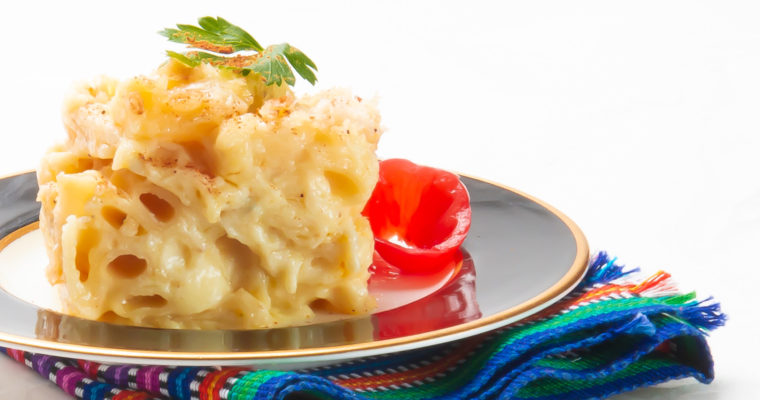
The Best Things In Life Are…Well …Simple: James Beard’s Macaroni and Cheese

The Best Things In Life Are…Well …Simple: James Beard’s Macaroni and Cheese

  “Our life is frittered away by detail… simplify, simplify.” Henry David Thoreau     This very simple James Beard recipe for macaroni and cheese caught my eye on a day when I was craving the quintessential American dish. Sometimes a simple recipe reminds us…
Soup Weather: Spicy Fresh Corn and Coconut Soup

Soup Weather: Spicy Fresh Corn and Coconut Soup

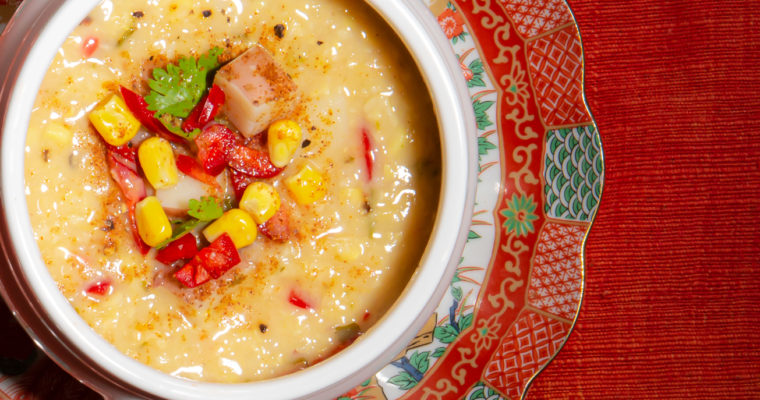
Fall. Crisp, cool mornings. Pungent loamy soils and bursts of intense garden color. Juliet lifting her tiny nose to savor the new chill in the air. Soup weather. Finally. [mpprecipe-recipe:215]   This recipe is adapted from a Sarah Jampel recipe that appeared here in the NY…

Exquisite Palate? Balsamic Strawberry Ice Cream

Exquisite Palate? Balsamic Strawberry Ice Cream

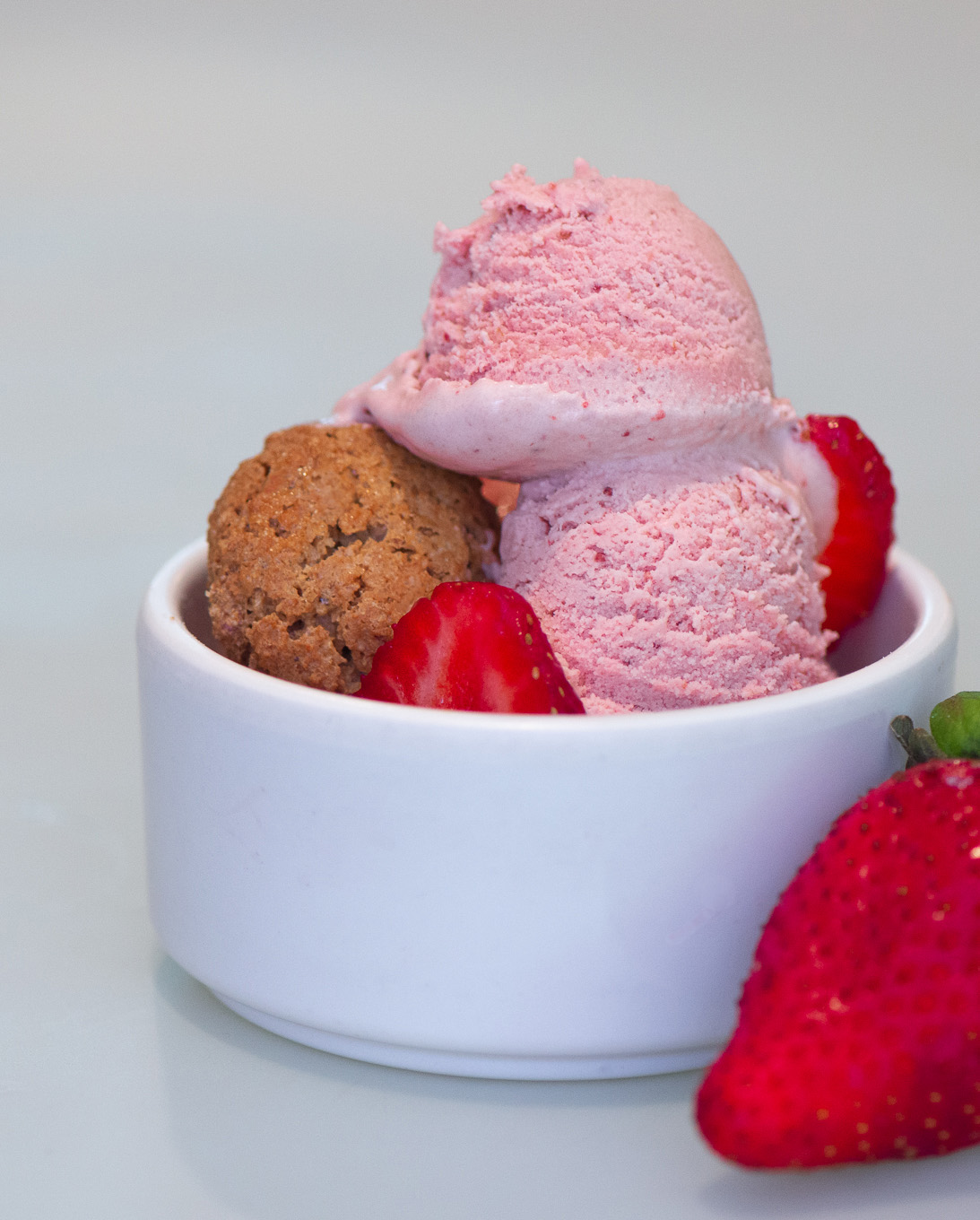
With the advent of fall, those fresh, plump, sweet strawberries that graced market displays mid-summer are hard to come by. So, if you haven’t already gotten your strawberry fix for the year, here is an idea: Roast your strawberries. The roasting deepens the flavor of even second-tier berries.

For an added pop of flavor, drizzle a bit of your best balsamic vinegar over the strawberries before you roast them. The syrupy balsamic sweetens the berries.

Balsamic, by the way, has been made for about a thousand years, although the term balsamic vinegar wasn’t widely used until the 18th Century. Originating in the Modena and Reggio Emilia regions of Italy, early balsamics were the product of very limited craft production. Their cost and scarcity kept the vinegar mostly on the tables of the nobility where it was valued as a specialty vinegar suitable only for those rarefied nobles with exquisite palates. At the time, the vinegar was known as Noble’s Vinegar to distinguish it from the Commoner’s Vinegar that was consumed by the rest of the region’s population. Interestingly, it was Napoleon’s armies who changed that dynamic when they invaded Modena in 1796 and subsequently pillaged the estates of the region’s nobles. In the process, precious kegs of Noble’s Vinegar were “liberated” and sold, thus spreading awareness of the vinegar across Europe.

What makes balsamic vinegar so special? The production process is lengthy and the amount of balsamic produced is relatively small. Balsamic is made from grape pressings that are boiled and reduced to a syrup. The syrup is then aged (and its volume reduced) for at least twelve years (more for the really good stuff) in a succession of wooden kegs–chestnut, cherry wood, ash, mulberry and juniper–with each wooden keg adding a bit of distinctive flavor.

Here is an interesting short video that describes the process of making balsamic: How Balsamic Is Made. If you are a curious foodie (and who isn’t?), this video is worth your time to watch.

Why are some balsamics so expensive? The price of balsamic reflects the length of time that the balsamic has been aged. Amazon is offering a bottle of Giusti 100 for a whopping $975.93. The Giusti has been aged for at least 100 years and the label is engraved in 24-carat gold. (The Giuseppe Giusti Company is the oldest vinegar producer in the world. They opened their doors in 1603.) It’s a 3.4 fluid ounce bottle. That’s $287 per fluid ounce. Wow!  That’s a bargain, by the way. Another site is selling the same bottle for $1199.99.


Here is an excellent Balsamic Roasted Strawberry Ice Cream recipe.

[mpprecipe-recipe:214]


This ice cream recipe was adapted from one that appears on the Barbara Bakes site. You can find it here:Barbara Bakes.

You CAN Win Friends With Salad: Two Vinaigrettes

You CAN Win Friends With Salad: Two Vinaigrettes

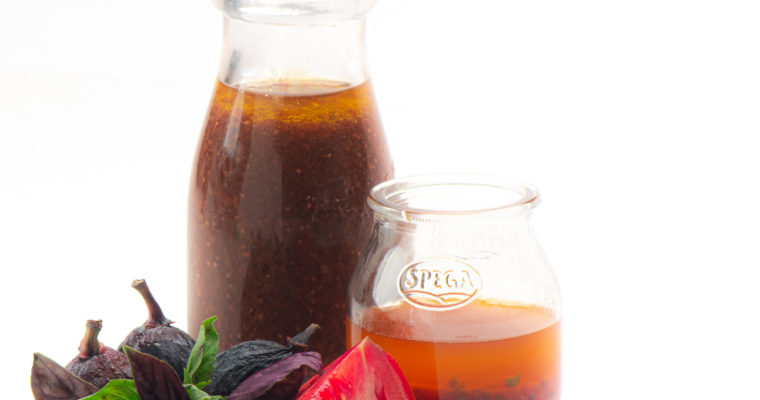
The Simpsons were wrong. You CAN win friends with salad…at least with one dressed with a fantastic vinaigrette. (The Simpsons: “You Don’t Win Friends With Salad.”) Today you get two excellent vinaigrette recipes. The vinaigrette on the left is a fresh fig vinaigrette. The one…

You Can Never Have Too Much Gazpacho

You Can Never Have Too Much Gazpacho

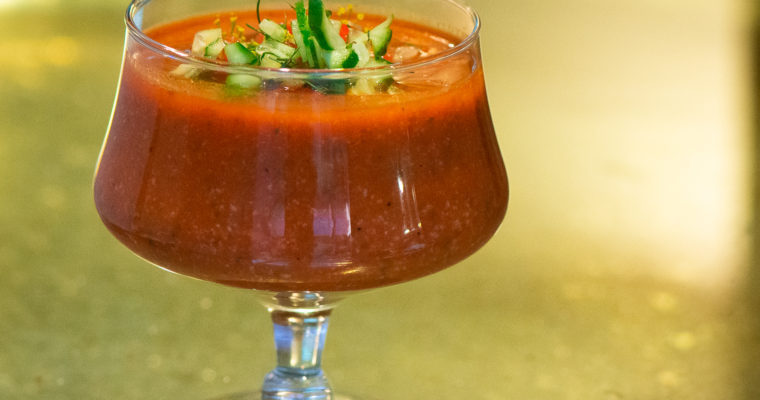
De gazpacho no hay empacho. It’s a Spanish idiom. You can never have too much gazpacho. Or, translated for meaning, you can never have too much of a good thing. So, in that spirit, here is a very good gazpacho recipe. Pretty, too.   [mpprecipe-recipe:212]

Vanilla Cake With Peaches and Fennel Seeds

Vanilla Cake With Peaches and Fennel Seeds

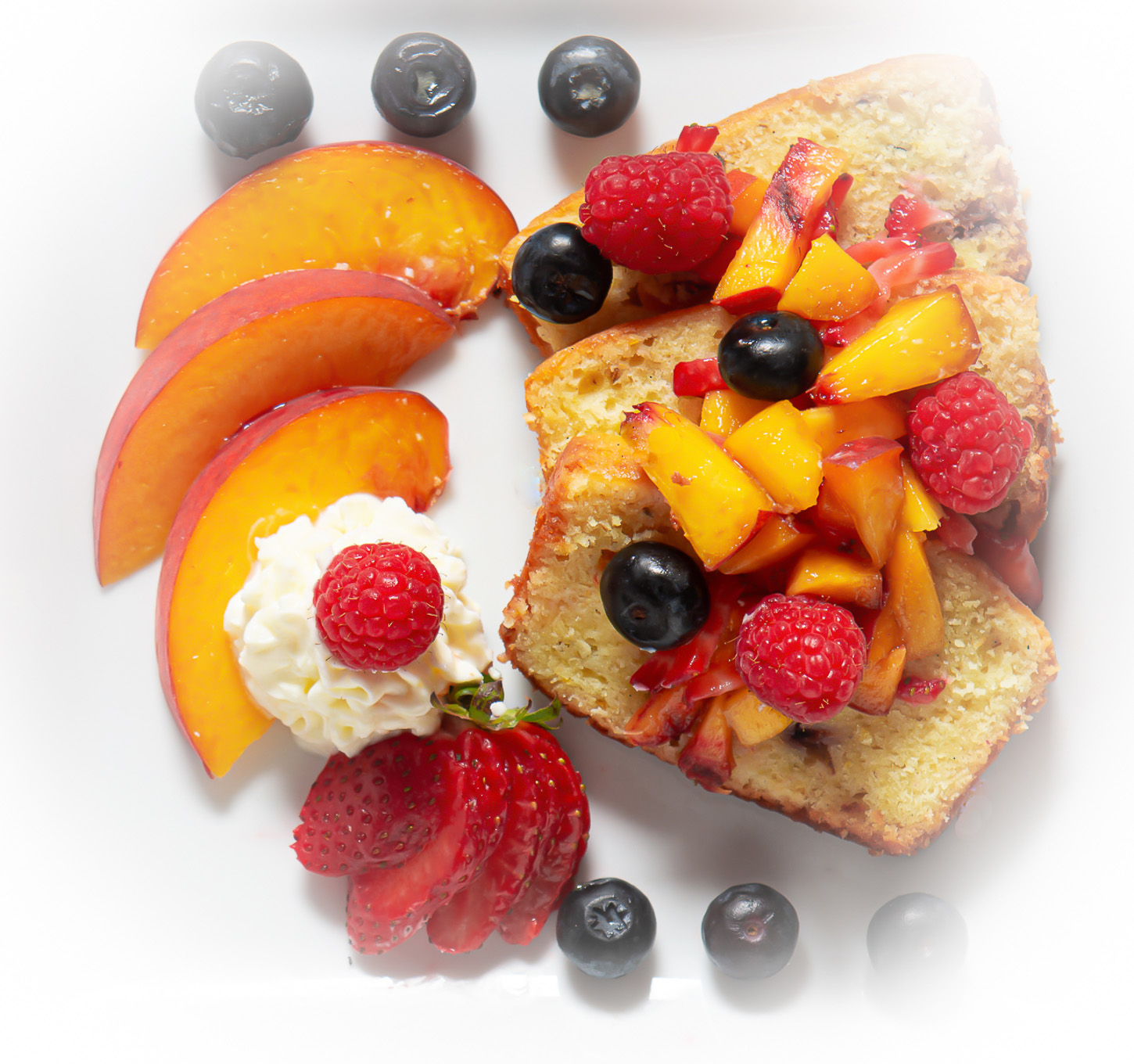
This elegant little vanilla cake is a keeper. It is good enough to serve guests and a delicious self-indulgence when you raid the kitchen at midnight.

I’m always drawn to a recipe that makes interesting use of an ingredient that is unusual in its genre. In this case, this peach cake uses fennel seeds which have a subtle licorice-like flavor.

If you are not familiar with fennel and fennel seeds, here is a photo. Both are readily available in your market.


Fennel has been consumed for a very long time. Reportedly, Roman warriors believed that fennel seeds gave them extra strength and kept them thin. The discussion of fennel in the diet made its way into ancient mythology, too. Prometheus, for example, hid fire in a fennel stalk. Dionysus carried a wand of fennel.

During the Middle Ages, Charlemagne decreed that fennel must be grown in every garden, believing that the herb bore healing properties. Medieval Europeans also stuffed fennel fronds in keyholes and hung it on doors to ward off ghosts. Even the Puritans bought into the fennel story. Reportedly, they carried the idea of consuming fennel seeds in church from Europe to America, believing that chewing the seeds would suppress stomach sounds during services.  Fennel seeds were called “meeting seeds.”

Today, fennel bulbs and seeds are pretty widely used in stews and gratins. They also are still used as a digestive. Next time you are out enjoying an Indian meal, be sure to grab a handful of the fennel (and other seeds) commonly left in a bowl beside the register as you leave the restaurant. Indians chew the seeds to freshen their breath and to aid digestion after a heavy meal.

You can find several savory recipes using fennel here on Blue Cayenne. Just type “fennel” into the search bar to the right.


[mpprecipe-recipe:211]

This recipe for Vanilla Cake With Peaches and Fennel Seeds is adapted from one that appears in the Honey and Company cookbook Golden. The book is available here.


Tomato Galette With Honeyed Goat Cheese, Caramelized Shallots and Fresh Thyme

Tomato Galette With Honeyed Goat Cheese, Caramelized Shallots and Fresh Thyme

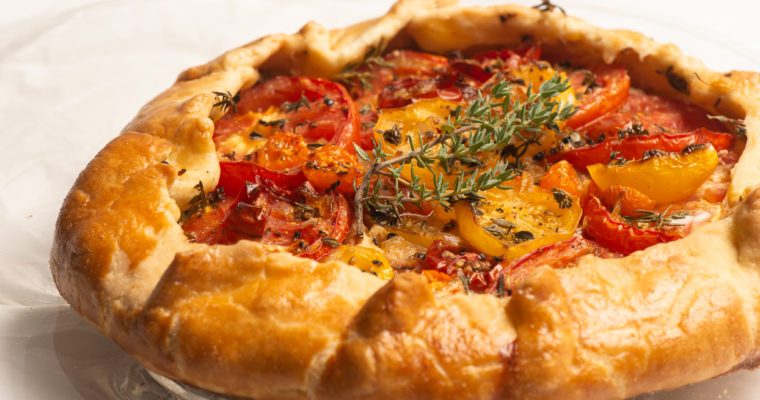
Summer tomatoes. **sigh** While we still have some late summer tomatoes in our gardens and stores, here is a beautiful galette that showcases their beauty. It is especially beautiful made with some of those big multi-colored heirloom tomatoes.   [mpprecipe-recipe:210]   This recipe is adapted…

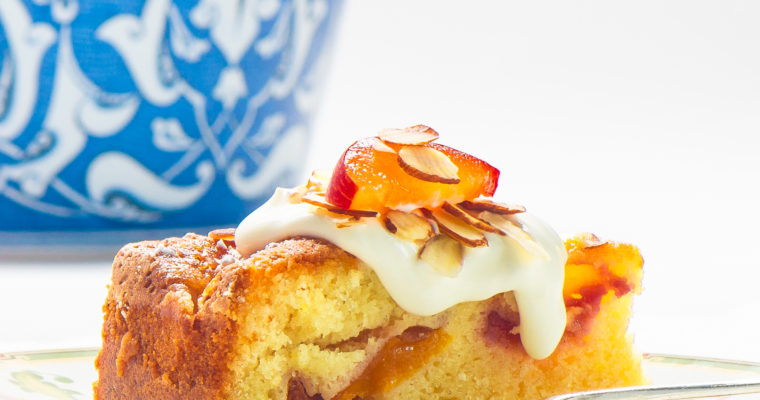
Blue Cayenne’s First “Juliet”: Almond-Apricot Cake With Creme Fraiche

Blue Cayenne’s First “Juliet”: Almond-Apricot Cake With Creme Fraiche

  There are all kinds of food awards around…Michelin Stars, the Bocuse d’Or, and on and on. Here at Blue Cayenne we think we need an award for particularly wonderful recipes, too. So, we’re introducing The Juliet, named, of course, after our beloved Chief Taster…

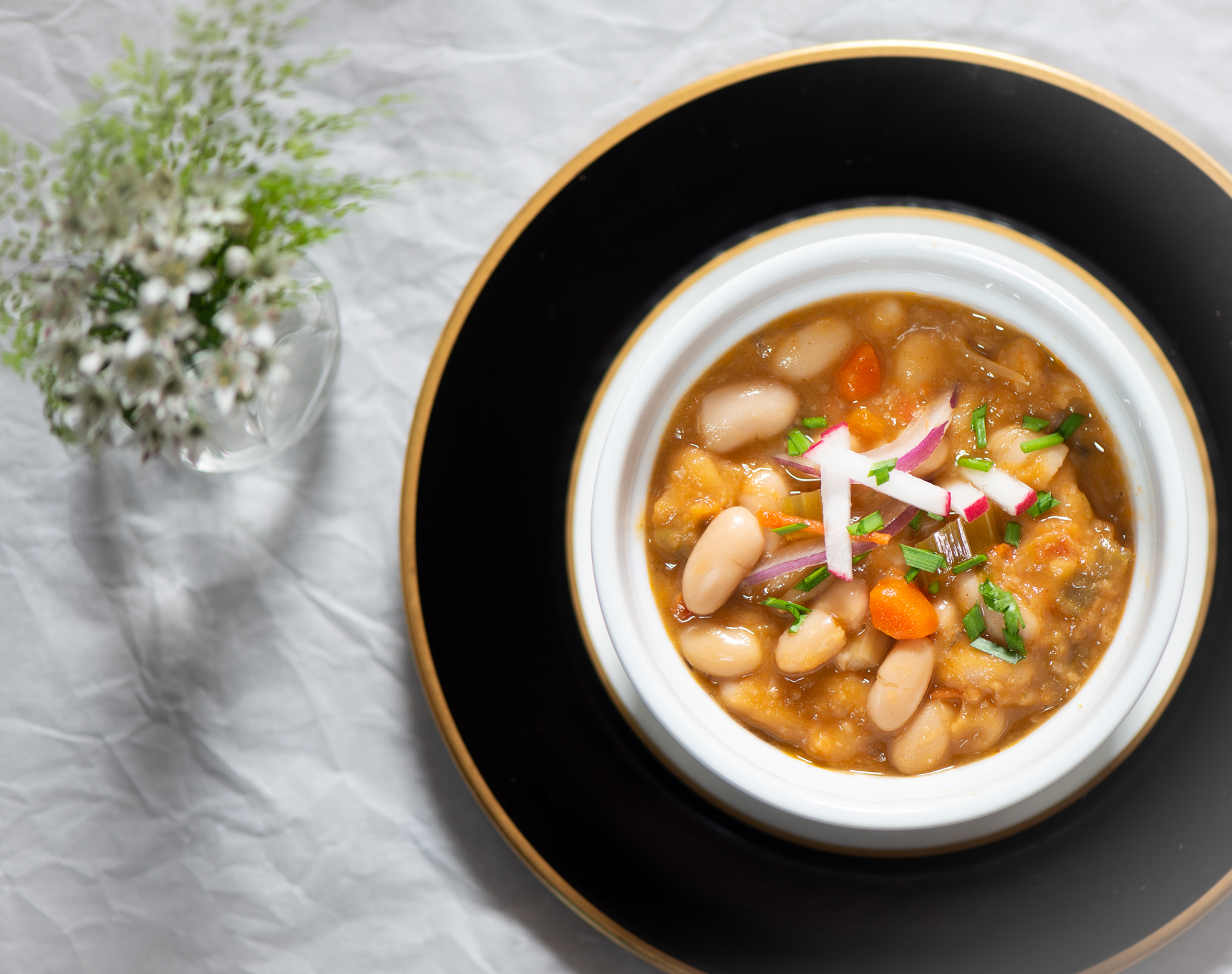
Feeding The World: Pochas (Simmered Shelling Beans)

Feeding The World: Pochas (Simmered Shelling Beans)


When Jose Andreas was recognized in 2018 by Time Magazine as one of the most influential people in the world, fellow chef Emeril Legasse wrote of him:

“Jose is an exceptional, generous, compassionate human being. His infectious philanthropic spirit reminds all of us that no matter your craft or passion, our most noble calling as human beings is to selflessly foster hope in and chase despair from the lives of others.”


Andreas is a chef by trade. He operates dozens of restaurants across the world (eight in Washington, D.C. alone!) and is widely credited with introducing the small plate concept to America. He is the co-author of the NY Times bestseller “Vegetables Unleashed” (with Matt Goulding)and has authored a number of other notable books.  He also is the founder of World Central Kitchen, a non-profit that seeks to address poverty and hunger. World Kitchen feeds five thousand homeless people every day in Washington, D. C. Every day.

Among his many other humanitarian efforts, is the World Alliance for Clean Cookstoves which aims to replace dangerous, air-polluting cookstoves across the globe as a way to improve peoples’ lives and reduce dangerous climate emissions.

When tragedy strikes, whether it is Hurricane Maria or the California wildfires, Andreas assembles his team and feeds people in crisis. In the wake of Hurricane Maria, Andreas’ organization served more than 3.6 million meals to Puerto Ricans displaced by the hurricane. As his co-author Goulding says in the introduction to “Vegetables Unleashed,” “When Jose wanders, the world benefits.”

Did I mention that he is an immigrant who arrived in the United States in 1991 with $50 dollars in his pocket?


This is my adaptation of Andreas’ recipe for Pochas (simmered shelling beans). It’s wonderful.

[mpprecipe-recipe:208]

You can buy “Vegetables Unleashed” here.


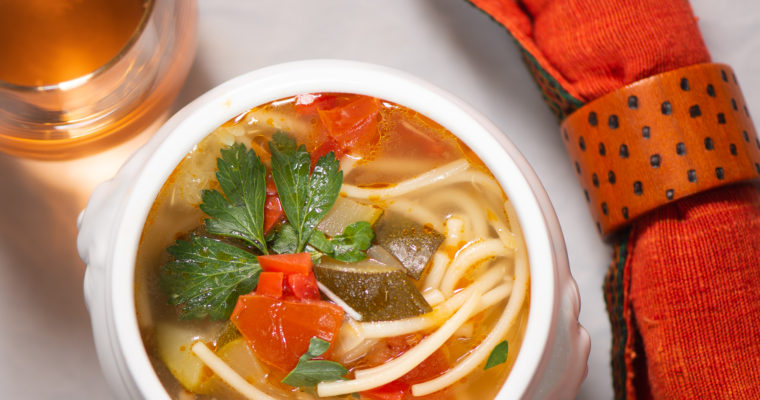
It’s The Thought: Zucchini Soup

It’s The Thought: Zucchini Soup

Happy National Sneak Some Zucchini On Your Neighbor’s Porch Day! OK.  It was August 8th. It’s the thought… On the other hand, where were you? Juliet and I didn’t get any zucchini on our porch. We looked. Let’s make up. I’ll put a great zucchini soup…