Recent Posts

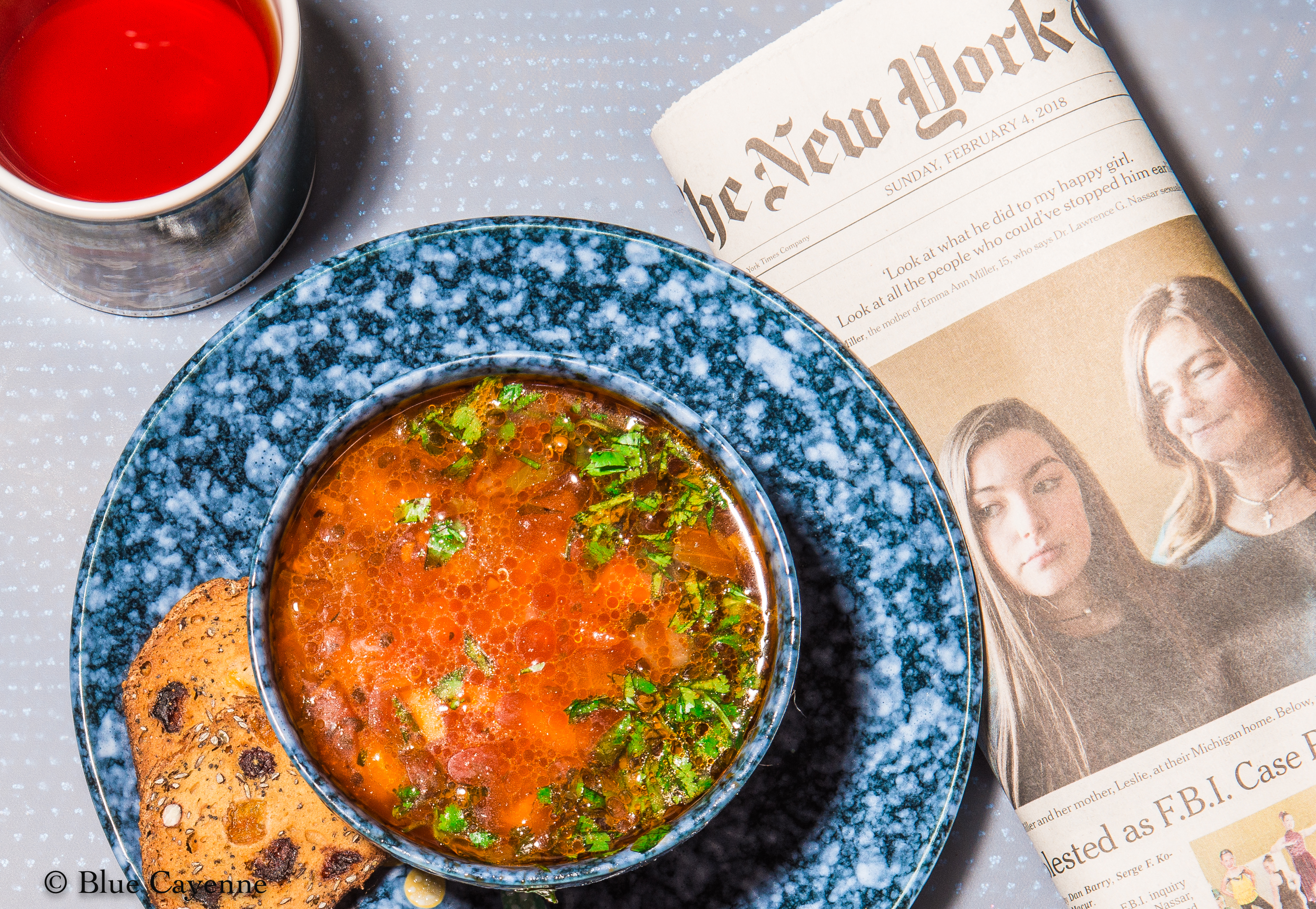
Tuscan Farro Soup While Waiting For Hamilton

Tuscan Farro Soup While Waiting For Hamilton

  Oh, we strategized. We’d be at our computers at 9 a.m. sharp, fingers poised to click the button that read “buy Hamilton tickets” the moment the digital clock struck nine. Then, The Segerstrom Theatre would place us into a “virtual waiting room” where the…
You can go home again: Sour Cream Apple Cake

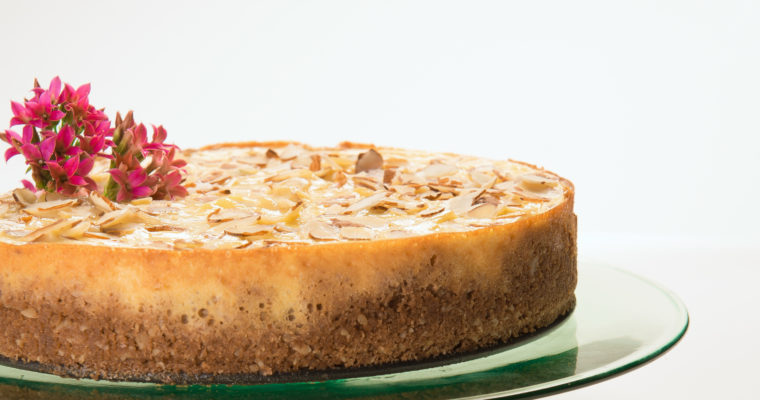
You can go home again: Sour Cream Apple Cake

  I lost it. Well. No. Not “lost it” like lost my mind. I lost a treasured recipe. It happened several year’s ago. Somewhere, out of the blue, I remembered a wonderful sour cream apple cake that I used to bake for parties. I had…

The Mother of All Grains: Quinoa (Quinoa Soup with Beans)

The Mother of All Grains: Quinoa (Quinoa Soup with Beans)


What does it take for quinoa to get a little respect?


There is a strong case to be made for quinoa. The United Nations, after all, proclaimed 2013 “The Year of Quinoa.” Nutritionists extol quinoa’s nutritional virtues. It’s a complete protein and The UN Food and Agriculture Organization reports that quinoa is as nutrient dense as mother’s milk. Food scientists, worried about world cereal crop yields in the face of increasing soil salinity and water scarcity, see quinoa, which flourishes under adverse growing conditions high in the Andes, as one remedy for potential world food shortages. NASA has considered quinoa for inclusion in their astronauts’ diets during long-duration space flights. And, let’s not forget taste; Quinoa has a nice nutty flavor.

Clearly, we need to open our minds and, with apologies to John Lennon, ” give quinoa a chance”.

But…right away, quinoa gets off on the wrong foot.

Scientists classify quinoa (pronounced KEEN-wah) as a pseudo-cereal. We all know that being called pseudo anything isn’t usually a compliment. It usually means that you have “pretensions.”

In the case of quinoa, however, the use of the term pseudo-cereal is pretty benign. It means that, while quinoa is technically a non-grass grain-like seed, it has many of the same dietary applications as the true cereals. You can cook it like rice. You can add it to soups, as in the recipe posted here. Or, you can pop it. It also can be ground into flour and is used in a number of flatbreads.

There are hundreds of types of quinoa. My Trader Joe’s carries a Bolivian red quinoa and a tri-color mix, but the pseudo-grain grows in a rainbow of colors and strains. The gold standard of quinoa’s many varieties is the large-seeded quinoa real that only is grown in  the Bolivian highlands.


Here’s the history lesson.

Historians believe that quinoa was first cultivated 5000 years ago. There is, however, a disagreement about where exactly quinoa was first grown for food. While South American scientists claim quinoa is uniquely their own crop, some American food scientists suspect that quinoa originated in North America and was then carried to Central and South America by birds.

Historians most often focus upon quinoa’s cultivation by the Incas between the 14th and 16th centuries. Incan leaders called it “the mother of all grains” and its cultivation was of such dietary importance (both for the general population and for the storied Incan military) that each year the first quinoa seeds were planted by their emperor using golden tools. According to Harold McGee in On Food and Cooking, quinoa was a staple food that was second in importance only to the potato in Bolivia, Chile and Peru during this period.

Quinoa also carried spiritual importance for the Incas. They believed that God sent them a beautiful messenger, Nustra Juria, during a period of drought and desperate suffering. Nustra Juria descended from the sky and began a journey along the shores of Lake Titicaca. From there, she walked across the salt pans of the Southern Altiplano (highlands) and eventually ascended back into the heavens near the Tunupa volcano. Once she was gone, her path miraculously sprouted with brilliantly-hued quinoa and the population was saved from starvation. Nourishing quinoa, then, was sacred food– a gift from God that could withstand drought and cold.

Bolivia’s Tunupa Volcano

When Pizarro and the Spanish conquistadores arrived in the area in 1532, orders were given to burn the prolific quinoa fields. Only small fields of quinoa survived in the high mountains.

Today’s Andean quinoa crops are descended from those surviving plants and the world’s major quinoa producers are Peru, Bolivia and Ecuador.

If you haven’t tried quinoa before, or if you were introduced to quinoa through Conan O’Brien’s monologue diss, this soup would be a delicious way to get to know the “grain.”


Quinoa
Save RecipeSave Recipe

Ingredients

  • 1/4 C. olive oil
  • 2 medium onions (finely chopped)
  • 2 medium carrots (peeled and finely chopped)
  • 2 stalks celery (trimmed and finely diced)
  • 2 (14-1/2 ounces each can) cans of garbanzo beans, foul mudammas beans or cannellini beans (drained) or a mixture (or equivalent amount of freshly-cooked beans)
  • 2 cloves garlic (finely chopped)
  • 1 can (14 1/2 ounces) chopped tomatoes (with their juices) (or equivalent amount of chopped fresh tomatoes)
  • 7 C. vegetable stock
  • 1/3 C. quinoa
  • 1/4 C. chopped parsley
  • 1 T. chopped fresh oregano or thyme
  • 1 bay leaf
  • Sea salt and ground black pepper (to taste)
  • Garnish with chopped parsley or cilantro and with grated parmesan cheese

Instructions

  1. Use a large soup pot. Heat olive oil in the pot over medium heat. Sauté onion, carrots and celery in the olive oil for about five minutes (until just tender).
  2. Add the beans and garlic to the pot of sautéed vegetables. Stir and cook for about two minutes.
  3. Stir in tomatoes and their juices and vegetable stock. (I used half a can of San Marzano tomatoes. Rather than chop the tomatoes, I broke them up with my hands.) Simmer this mixture for about 20 minutes.
  4. Add quinoa, parsley, herbs and bay leaf to the pot of simmering soup. Cover the pot and continue to simmer the soup for about 15 minutes. Remove the bay leaf and season your soup with salt and pepper to taste.
  5. Serve soup garnished with chopped parsley or cilantro and grated cheese.
  6. Like rice or pasta, the quinoa in your soup will continue to absorb the broth as the soup sits. If necessary, add additional broth or water to the soup. This soup is even better served on the second day after the flavors have had time to mature.
7.8.1.2
114
https://bluecayenne.com/the-mother-of-all-grains-quinoa-quinoa-soup-with-beans


This recipe is adapted from one that appeared in The New York Times. Here is a link to Jeff Gordinier’s recipe: Hearty Quinoa and White Bean Soup


SaveSave

SaveSave

SaveSave

SaveSave

SaveSave

SaveSave

SaveSave

SaveSave

SaveSave

SaveSave

SaveSave

SaveSave

SaveSave

SaveSave

SaveSave

SaveSave

SaveSave

SaveSave

SaveSave

SaveSave

SaveSave

SaveSave

SaveSave

SaveSave

SaveSave

SaveSave

SaveSave

SaveSave

SaveSave

SaveSave

SaveSave

SaveSave

SaveSave

SaveSave

SaveSave

SaveSave

SaveSave

SaveSave

SaveSave

SaveSave

SaveSave

SaveSave

SaveSave

SaveSave

SaveSave

SaveSave

SaveSave

SaveSave

SaveSave

SaveSave

SaveSave

SaveSave

SaveSave

SaveSave

SaveSave

SaveSave

SaveSave

SaveSave

SaveSave

SaveSave

SaveSave

SaveSave

SaveSave

SaveSave

SaveSave

SaveSave

SaveSave

SaveSave

SaveSave

SaveSave

SaveSave

SaveSave

SaveSave

SaveSave

SaveSave

SaveSave

SaveSave

SaveSave

SaveSave

SaveSave

SaveSave

SaveSave

SaveSave

SaveSave

SaveSave

SaveSave

SaveSave

SaveSave

SaveSave

SaveSave

SaveSave

SaveSave

SaveSave

SaveSave

SaveSave

Dates, Baked Beans and Sitting on a Beach with Chris Christie

Dates, Baked Beans and Sitting on a Beach with Chris Christie

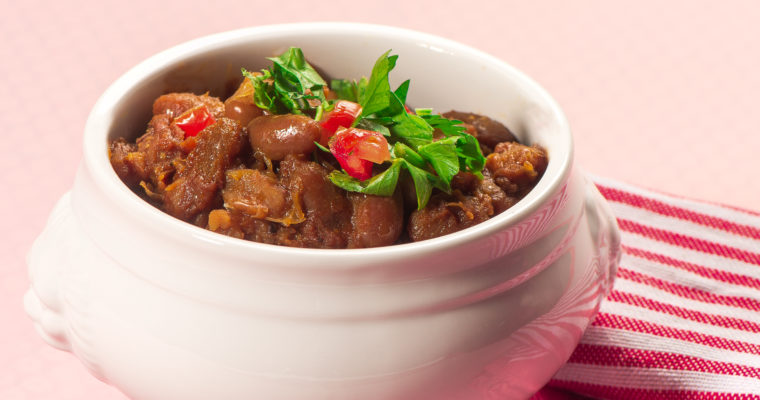
Pythagoras was so convinced that beans had souls that their consumption was forbidden among his followers. Don’t get me wrong. I love beans, but I’m not so sure about the soul part. Tiny little bean hearts, maybe. Truth be told, however you fix ’em, I…

Nana, Spunk,  and Vinegar Chocolate Cake

Nana, Spunk, and Vinegar Chocolate Cake

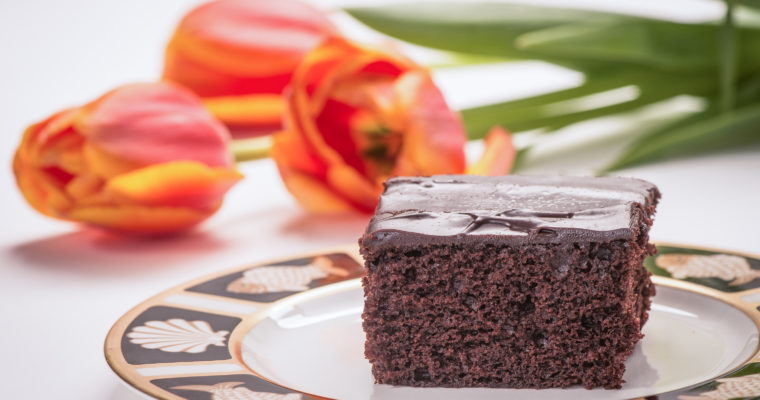
Nana was my grandmother. When I was a little girl, I would spend long happy weekends at her house. She always had a stack of books for me to read–young reader mysteries, as I recall. Sometimes she would take me to the tiny beauty shop improbably…

Lemony Carrot and Cauliflower Soup

Lemony Carrot and Cauliflower Soup


Virginia Woolf said of soup: ” Soup is cuisine’s kindest course.”

That is certainly the way I feel about soup. I confess that I enjoy making soup often and find comfort in eating it. I almost always begin a dinner party–even a casual one– with a soup course. I think a bowl of soup eases my guests into the mood to enjoy a meal.

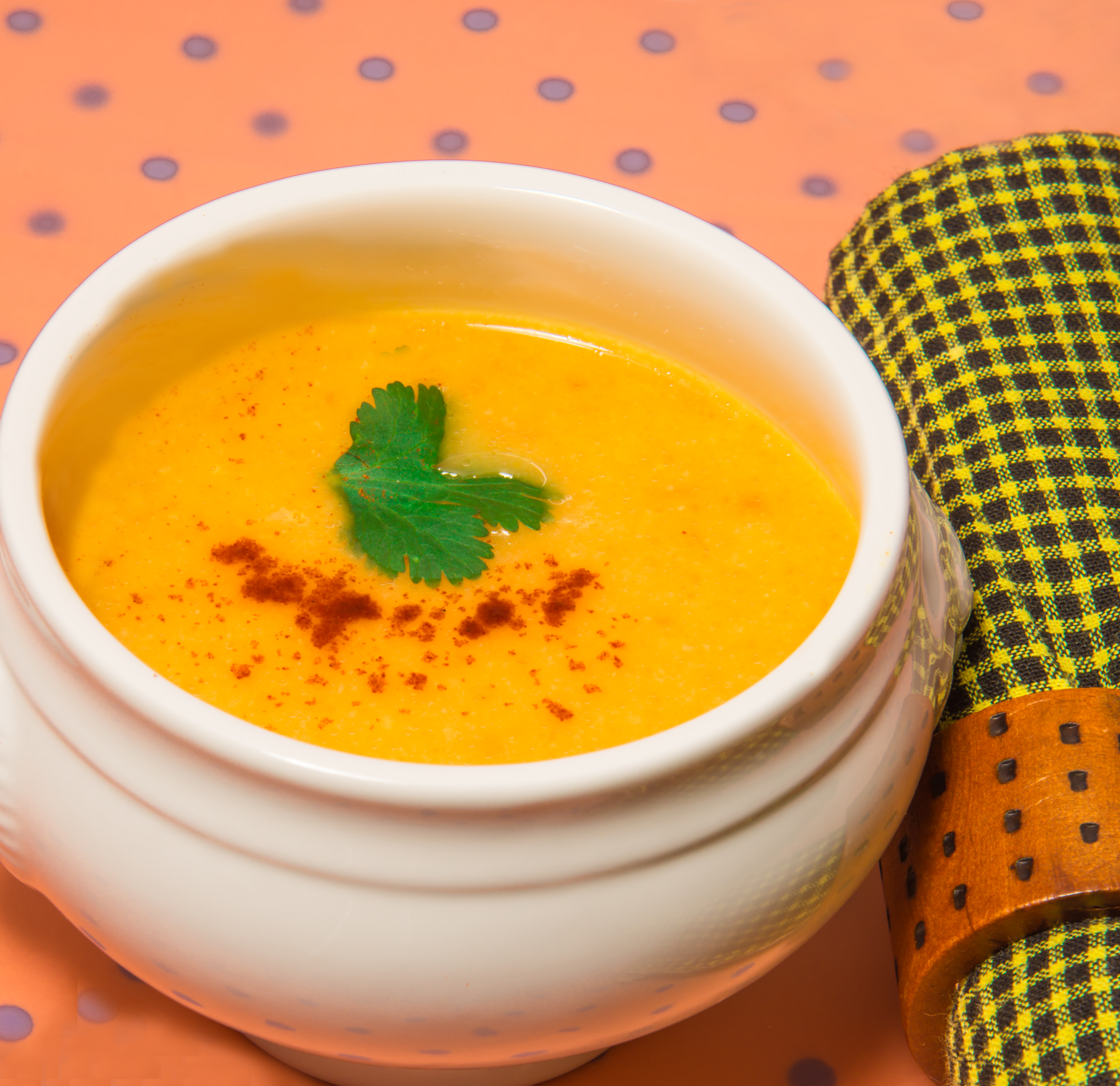
This Carrot and Cauliflower Soup is a keeper. It is pretty and it is flavorful. And, of course, you get a good serving of a healthy cruciferous vegetable in every bowl. Cauliflower, as you know, is low in calories and carbs, so it is an easy fit into a healthy diet.

This soup is creamy, too–even if you don’t succumb to the temptation of add a bit of cream or half-and-half to the finished product. I found that I enjoyed a pretty swirl of heavy cream stirred into my soup at the last minute, but I’m not sure whether it was a flavor enhancement  or an aesthetic one.


Lemony Carrot and Cauliflower Soup
Save RecipeSave Recipe

Ingredients

  • 1 T. coriander seeds
  • 2 T. extra-virgin olive oil (more for serving)
  • 1 large white onion (peeled and diced)
  • 2 large garlic cloves (finely chopped)
  • 5 medium carrots (peeled and cut into 1/2 inch pieces)
  • 1 1/2 t. kosher salt (to taste)
  • 3 T. white miso
  • 1 small head of cauliflower (trimmed and cut into florets)
  • 1/2 t. lemon zest
  • 2 T. lemon juice (to taste)
  • Smoky chile powder or smoky paprika (for garnish)
  • Coarse sea salt (for serving)
  • Cilantro leaves (for garnish)

Instructions

  1. Toast coriander seeds in a large heated soup pot with no oil until seeds are medium golden-brown. This will take 2-3 minutes. Be careful not to burn the seeds. After toasting the seeds, grind them until they are very fine a food grinder or coffee mill (a dedicated one for spices). Set aside.
  2. Heat olive oil in a large soup pot over medium heat. Add diced white onion and sauté until the onion is soft and beginning to color. This will take about 10 minutes. Add chopped garlic to your pot and cook with the onion for one minute.
  3. Add carrots, ground coriander, salt and six cups of water to the soup pot. Heat the mixture to a simmer and then add the three tablespoons of white miso to the broth. Stir the broth until the miso is dissolved. Simmer this mixture for about five minutes. Add the cauliflower florets and cover your pot. Cook over medium heat until the cauliflower (and other vegetables) are tender. This will take about ten minutes.
  4. Remove the soup from the heat. Let the mixture cool. Puree soup with a blender or an immersion blender. You want the soup to be a velvety smooth puree. When I used the immersion blender for this process, my soup retained more texture. I preferred the soup prepared this way rather than pureed in my blender.
  5. Add lemon zest and lemon juice just before serving.
  6. Drizzle with fine quality extra virgin olive oil and garnish with chopped cilantro. smoked chile and coarse salt. (Alternatively, swirl a bit of heavy cream into the soup just before serving and garnish with cilantro, chile and salt.)
7.8.1.2
111
https://bluecayenne.com/lemony-carrot-and-cauliflower-soup

Here is the link to the original Melissa Clark recipe upon which this recipe is based: Melissa Clark’s Cauliflower and Carrot Soup.

SaveSave

SaveSave

SaveSave

SaveSave

SaveSave

SaveSave

SaveSave

SaveSave

SaveSave

SaveSave

SaveSave

SaveSave

SaveSave

SaveSave

SaveSave

SaveSave

SaveSave

SaveSave

SaveSave

SaveSave

SaveSave

SaveSave

Ratatouille

Ratatouille

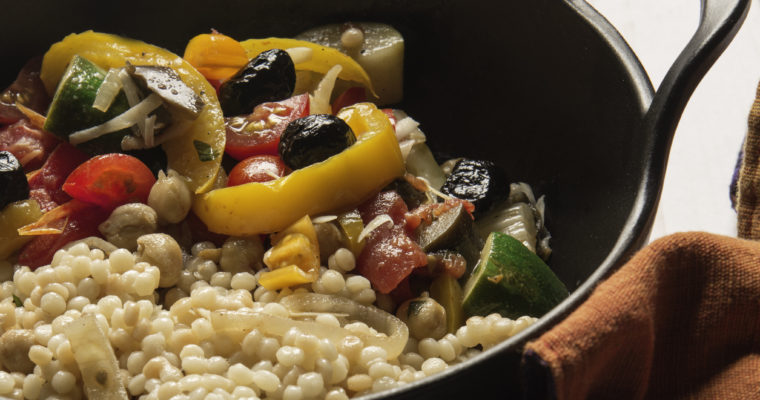
  Today’s plat du jour on my table is ratatouille, a classic French vegetable stew that is a specialty of cooks in Provence and Nice. Apparently, a lot of other Mediterranean countries claim some version of this dish, too, so you may have encountered ratatouille under…

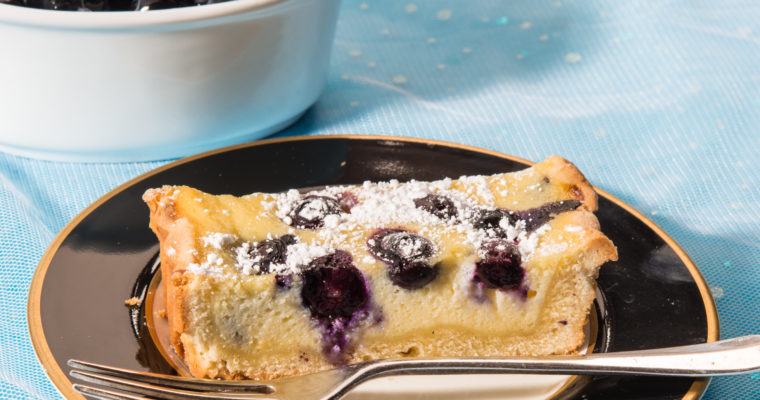
Blueberry-Ricotta Tart

Blueberry-Ricotta Tart

  This tart is so super rich I suspect it got a big tax cut!  (OK. I am bitter.) It’s easy, too! And, it makes a pretty impressive presentation. (Who among your guests needs to know that it was a cinch to make?) The richness…

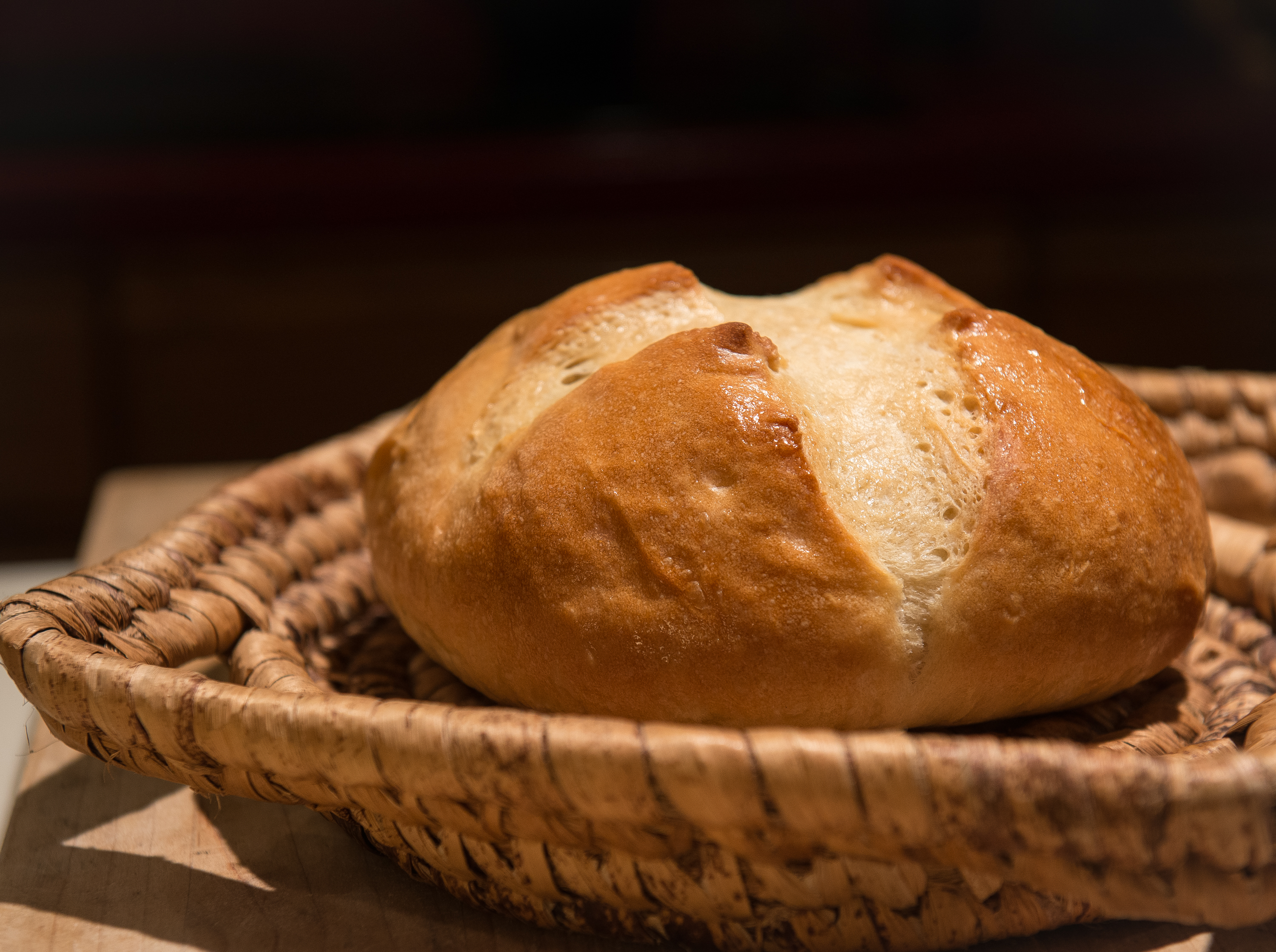
Rustic Sourdough Bread, King Tut and an Homage to Steve Martin

Rustic Sourdough Bread, King Tut and an Homage to Steve Martin


Quick! Hand me a jar of my neighbor Sarah’s etherial tangerine marmalade.

I have two warm-from-the-oven loaves of sourdough bread sitting on my kitchen counter. Warm sourdough bread. Bitter-ish marmalade. It doesn’t get better than that.

As you may know if you regularly read this blog, one of my cooking goals in life is to make the ultimate sourdough loaf in my own oven.

Why am I so fixated on perfecting my baking game with a sourdough loaf?

Maybe it’s the history teacher in me. (I taught high school history for 33 years.) People have, after all, been enjoying sourdough bread for a very long time. Who in the world wouldn’t be interested in knowing the backstory of that?  (Don’t snicker. I know I’m a history geek.)

Historically, there is evidence of bread making in neolithic times. (For those of you who dozed through history classes, that period began about 10,000 B.C.) Researchers also have identified a sourdough loaf found during a Switzerland dig that dates back to 3500 B.C.  Bread is old.

Historians also have pretty substantial evidence of sourdough bread-making in Ancient Egypt. The Egyptians were big into beer making and they used the natural yeast from that project to make leavened breads. For Egyptians, it was, apparently, always time to party–beer or bread, it didn’t matter. Even young King Tut must have been affected by the leavened bread and yeasty beer craze. Speaking of King Tut…for those who are reading this and who might have missed it on other venues, Steve Martin’s vintage and inspried funky King Tut portrayal is absolute genius: Steve Martin’s King Tut. Just watch it!)

As the centuries passed, bread making became a part of the culinary traditions of the Greeks, the Romans and the Medieval Europeans with sourdough starter being the chief leavening agent for bakers.

Then….bam!…the development of commercially-produced yeast in the 19th century damaged the sourdough market and ushered in the modern bread era that has produced such culinary disasters as  Wonder Bread. Julia Child deplored the decline in the quality of bread with her infamous remark: “How can a nation be called great if its bread tastes like kleenex?” How, indeed?

But…back to a really good bread…This loaf is my adaptation of a recipe from King Arthur Flour.


This bread has a a nice sour flavor enhanced by the use of not only a “fed” starter (my “Kellyanne” from a previous post here) but also with a couple of  tablespoons of King Arthur Flour’s sourdough flavoring  here.

Try it. I think you will enjoy it.

Here is the recipe:


Rustic Sourdough Bread, King Tut and an Homage to Steve Martin
Save RecipeSave Recipe

Ingredients

  • 8 ounces "fed" sourdough starter
  • 12 ounces lukewarm water
  • 2 t. instant yeast
  • 2 T. King Arthur Flour Sourdough powder
  • 2 1/2 teaspoons salt
  • 21 1/4 ounces King Arthur Unbleached All-Purpose Flour

Instructions

  1. Combine all ingredients. Knead to form a smooth dough.
  2. Set your dough aside to rise for about 90 minutes in a greased and covered bowl. You want the dough to double in size.
  3. Once your dough has doubled in size, divide it (gently) into two parts.
  4. Shape the dough into two oval loaves and place them on a piece of parchment paper. Cover the loaves and let them rise for about an hour. The dough should be puffy after the rise.
  5. While your dough is rising preheat your oven to 425 degrees F.
  6. Spray the surface of the loaves with lukewarm water. Make two diagonal slashes on each loaf using a bread lame or a serrated bread knife.
  7. Bake the bread for 25 o 30 minutes. When it is done it should be a very deep golden brown color. Remove from the oven and let cool on a rack.
7.8.1.2
108
https://bluecayenne.com/rustic-sourdough-bread-king-tut-and-an-homage-to-steve-martin

Here is the link to the original King Arthur Flour recipe from which this recipe was adapted: Rustic Sourdough Bread.

SaveSave

SaveSave

SaveSave

SaveSave

SaveSave

SaveSave

SaveSave

SaveSave

SaveSave

SaveSave

SaveSave

SaveSave

SaveSave

SaveSave

SaveSave

SaveSave

SaveSave

SaveSave

SaveSave

SaveSave

SaveSave

SaveSave

SaveSave

SaveSave

SaveSave

SaveSave

SaveSave

SaveSave

SaveSave

SaveSave

SaveSave

SaveSave

SaveSave

SaveSave

SaveSave

SaveSave

SaveSave

SaveSave

SaveSave

SaveSave

SaveSave

SaveSave

SaveSave

SaveSave

SaveSave

SaveSave

SaveSave

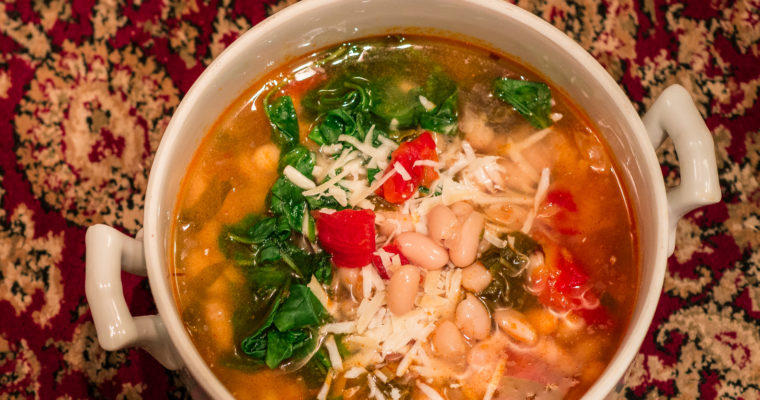
Tomato and Bean Soup with Harissa and Honey

Tomato and Bean Soup with Harissa and Honey

    This healthy Middle Eastern soup is wonderful. It’s spicy–flavored with a robust harissa paste. It’s full of flavorful and protein-rich Rancho Gordo Marcella white beans. It’s filled with good-for-you greens. It’s just what you need to warm your soul–whether you are caught in…