Recent Posts

Recipe of the Year 2018: King Arthur Flour’s  Whole-Grain Banana Bread

Recipe of the Year 2018: King Arthur Flour’s Whole-Grain Banana Bread

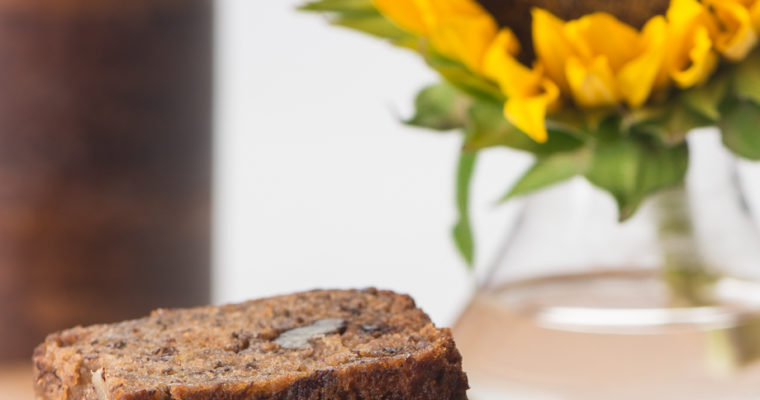
    When a wonderful baking resource like King Arthur Flour bestows the title of “Recipe of the Year” on one of its creations, I sit up and take notice. That is particularly true for me because I was so in love with their lemon…
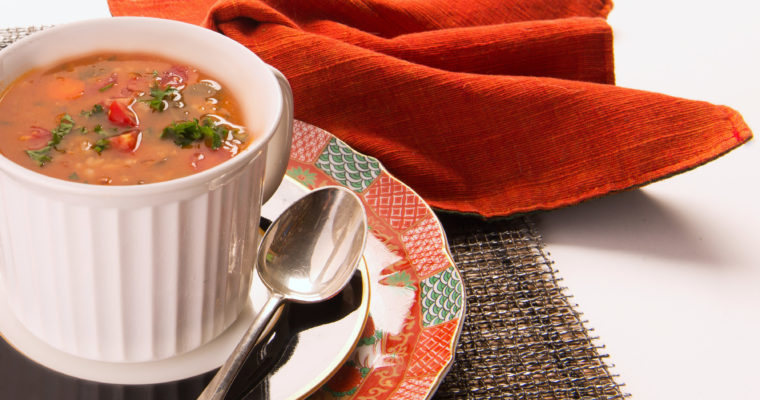
Barley and Lentil Soup

Barley and Lentil Soup

I’ve always enjoyed soup. It is my idea of comfort food. There is something wonderful about the chemistry of making soup. You put all those healthy ingredients together and (sometimes) voila! For the last few weeks my love affair with soup has taken on a…

Pomegranate Molasses Butter Cake

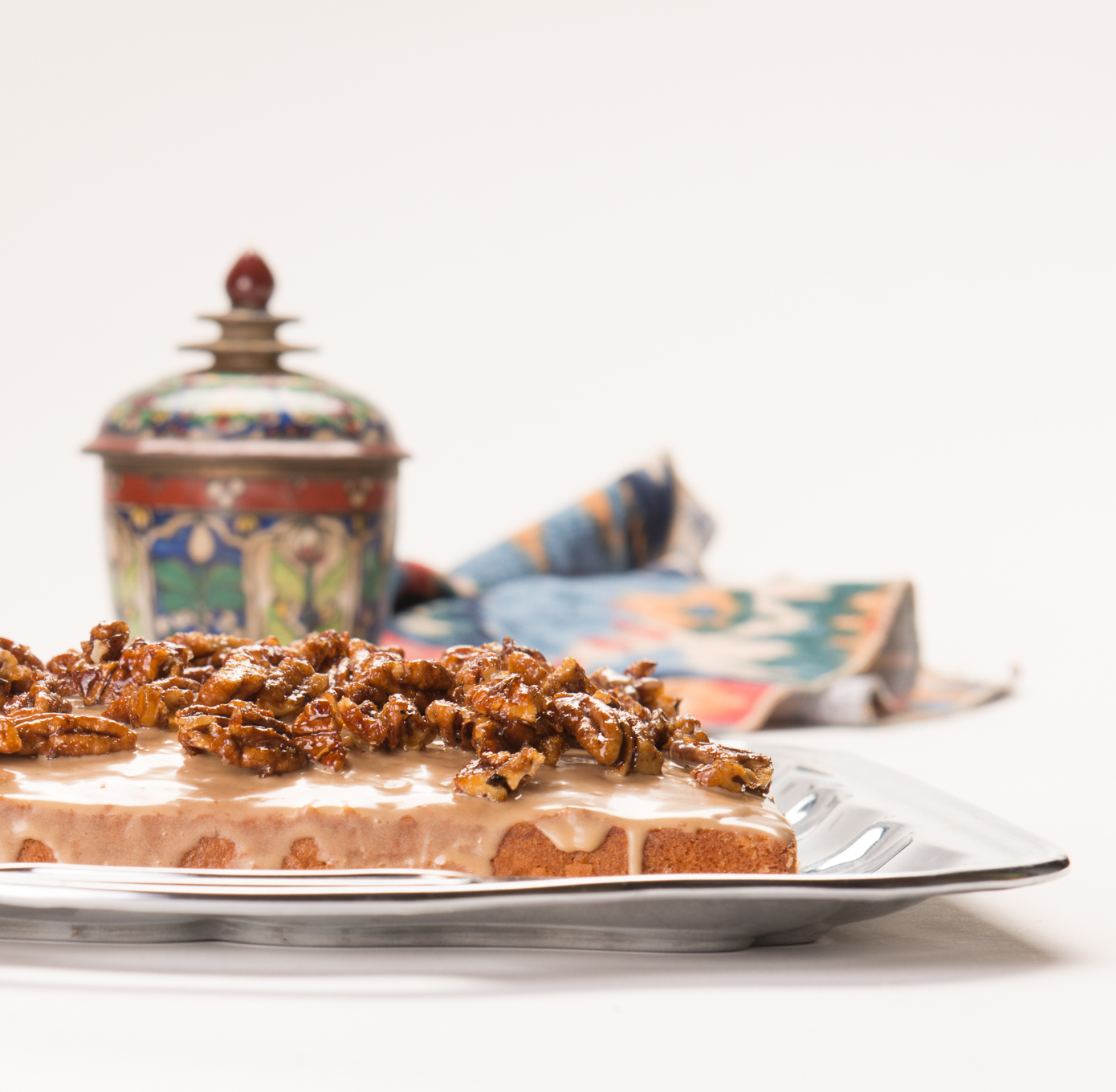
Pomegranate Molasses Butter Cake

First, pomegranate molasses is readily available. You can do this.

Second, this butter cake is absolutely delicious. I don’t have the words…

I discovered pomegranate molasses some time ago. I shop at a local Jons International Marketplace and they have not one but several brands of pomegranate molasses available. If you don’t live near a Jons, you also can buy the molasses online from Amazon or at just about any Middle Eastern market. Or, you can make your own simply by boiling raw pomegranate juice into a syrupy reduction.


Pomegranate molasses is an ingredient commonly used in Middle Eastern recipes in marinades, salads, sauces and mezzes. The molasses has an intense tangy/tart/sorta sweet flavor.  Here in the West, it is sometimes drizzled on oatmeal, stirred into coffee or tea or used to glaze foods. Its uses are almost endless. Certainly, you could use pomegranate molasses interchangeably with balsamic vinegar.

Curious about the origins of the use of the pomegranate in the diet?

Pomegranates are believed to be native to Iran and the Himalayas in Northern India where they have been grown for more than 4000 years. Desert caravans (and, later, sea voyages) introduced pomegranate cultivation to other areas– the Mediterranean, Asia, Africa and beyond. Those areas quickly embraced the pomegranate not only into their diets but also into their arts and culture.

In Egypt, for example,  the fruit was buried with the dead to ensure a smooth passage to the afterlife and pomegranates were depicted in the artwork on the walls of Egyptian tombs.The Egyptians also enjoyed pomegranate wine.


In Islam it is believed that the gardens of paradise include pomegranate trees and Muhammad urged his followers to consume the fruit. Some believe that each pomegranate has one aril descended directly from heaven.


The pomegranate also is praised in The Old Testament. Here is Boticelli’s The Virgin and Child with a Pomegranate. In Christianity, the pomegranate has long been used as a traditional symbol of the Passion.


While Europe was slow to warm to the pomegranate, the fruit eventually caught on.  Shakespeare used the pomegranate as a symbol of true love in Romeo and Juliet. You can’t get a better promo that that!

“Wilt thou be gone? it is not yet near day:
It was the nightingale, and not the lark,
That pierc’d the fearful hollow of thine ear;
Nightly she sings on yond pomegranate tree:
Believe me, love, it was the nightingale.”

Nearer to home, pomegranate trees were brought to the Americas by Spanish conquistadores and the fruit was introduced to California by Spanish missionaries in the 1760s. There is a pomegranate-themed fresco at Mission San Miguel Arcangel. Today, over ninety percent of the pomegranates grown in the  United States production are grown in California’s San Joaquin Valley.

This recipe is adapted from one by John Willoughby that appeared in the food section of the New York Times. Willoughby was executive editor of Gourmet Magazine, a senior editor for Cook’s Illustrated and writes for magazines like Saveur and Metropolitan Home. Here is the link to the original recipe from which this recipe was adapted: https://cooking.nytimes.com/recipes/1013092-pomegranate-molasses-butter-cake .


Pomegranate Molasses Butter Cake
Save RecipeSave Recipe

Ingredients

  • 1 stick unsalted butter (softened)
  • 1 1/2 C. flour (plus more for dusting pan)
  • 1 1/2 t. baking powder
  • 1/2 t. salt
  • 1/2 C. milk
  • 3 T. pomegranate molasses plus 1 t.
  • 3/4 C. granulated sugar plus 4 t.
  • 3 large eggs
  • 1 C. powdered sugar
  • 6 T. light cream
  • 3/4 C. roughly-chopped pecans (or walnuts)

Instructions

  1. Preheat oven to 350 degrees F. Prepare 9-inch square baking pan by buttering it and dusting it with flour.
  2. Sift flour, baking powder and salt together. Set aside.
  3. Mix milk and 2 T. pomegranate molasses in another bowl. Set aside.
  4. In the large bowl of your stand mixer, cream butter and 3/4 granulated sugar together until the butter is a light yellow color and the mixture is fluffy. Add the eggs to the butter mixture, adding the eggs one at a time and mixing after the addition of each egg.
  5. Mix the flour and milk mixture into the egg/butter mixture by adding one-third of the flour then half the milk. Continue mixing ingredients ending with the flour. Mix the ingredients until they are just combined. Don't over mix.
  6. Pour the prepared batter into your pan and bake for 35 to 40 minutes or until a toothpick inserted into the center comes out clean. Cool the cake in the pan for about ten minutes and then run a sharp knife around the edge of the pan to release the cake. Turn the cake out onto a rack and then turn the cake right side up again.
  7. To prepare the glaze, whisk powdered sugar, cream and 1 T. pomegranate molasses together. If your glaze is too thick, add a bit of milk to thin it. Brush the glaze over your cooled cake, letting it drip down the sides.
  8. Prepare the glazed nuts to top your cake by combining them in a small nonstick skillet (over medium high heat) with 1 t. pomegranate molasses and 4 t. sugar. Stir the nut mixture constantly, watching carefully to be sure the mixture doesn't burn. You want the sugar to melt and coat the nuts. This will take about 1-2 minutes. Let the nuts cool. Break the nuts apart and arrange the nuts over the top of the cake.
7.8.1.2
124
https://bluecayenne.com/pomegranate-molasses-butter-cake


SaveSave

SaveSave

SaveSave

SaveSave

SaveSave

SaveSave

SaveSave

SaveSave

SaveSave

SaveSave

SaveSave

SaveSave

SaveSave

SaveSave

SaveSave

SaveSave

SaveSave

SaveSave

SaveSave

SaveSave

SaveSave

SaveSave

SaveSave

SaveSave

SaveSave

SaveSave

SaveSave

SaveSave

SaveSave

SaveSave

SaveSave

SaveSave

SaveSave

SaveSave

SaveSave

SaveSave

SaveSave

SaveSave

SaveSave

SaveSave

SaveSave

SaveSave

SaveSave

SaveSave

SaveSave

SaveSave

SaveSave

SaveSave

SaveSave

SaveSave

SaveSave

One a penny, two a penny: Hot Cross Buns

One a penny, two a penny: Hot Cross Buns

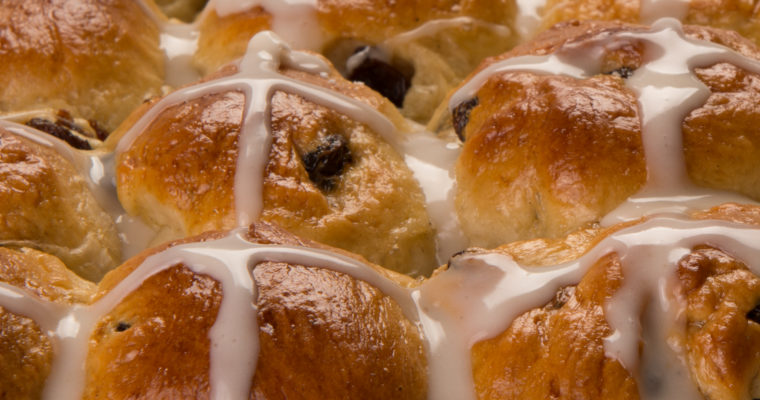
Happy spring! Who doesn’t love warm-from-the-oven rolls on a pretty spring day? Make them hot cross buns warm from the oven and slathered with cardamom-scented frosting and you are sure to swoon.   Some food historians tell us that the first hot cross buns were…

Eat Your Greens: Provencal Greens Soup

Eat Your Greens: Provencal Greens Soup

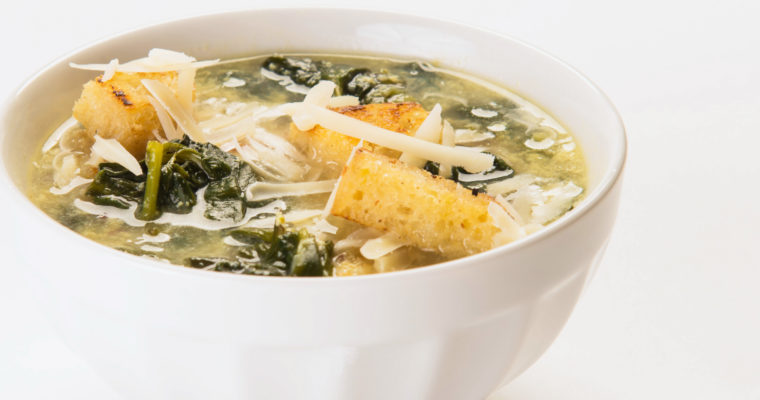
I was recently at a restaurant in downtown Santa Ana where I foolishly let myself be talked into ordering the house’s kale salad. I’m usually a hard sell when it comes to kale, but I liked the young waitress’ enthusiasm as she assured me that…

Baked Beans with Sweet Potatoes and Chipotles

Baked Beans with Sweet Potatoes and Chipotles


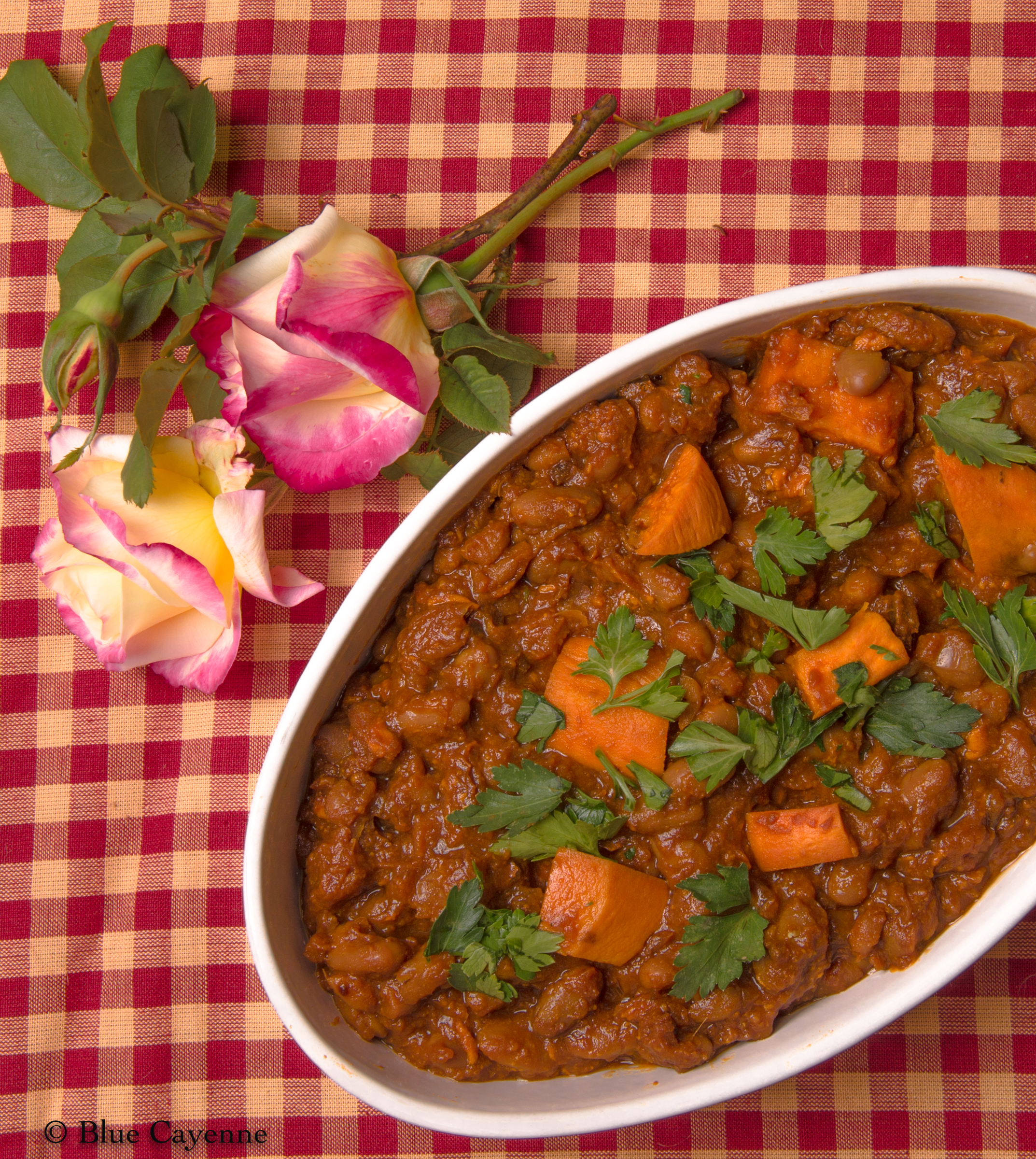
You know how it is when you just plain crave baked beans.

This rich baked beans recipe will satisfy your cravings and throws in healthy sweet potatoes to boot.

And, then there is the complex smoky flavor of chipotle peppers. What’s not to love here?

Chipotles, by the way, are simply smoked and dried jalapeños. That was news to me. Apparently, this preparation technique dates back to the Aztecs who learned that smoking the peppers (like over a fire, people!) overcame the tendency of the thick-skinned jalapeños to rot when using normal drying methods. The resulting smoked chipotle peppers were then used in complicated ceremonial meals. A 1571 journal, for example, described the preparation of a sauce that made liberal use of chipotle chiles. The sauce contained a mixture of chiles, tomatoes, nuts, pumpkin seeds, spices, chocolate and cornmeal. Yum! Sounds very much like a recipe for modern-day mole. (Etiquette at Aztec galas was pretty interesting, too. It was traditional before an Aztec meal was served to offer guests flowers which they were expected to rub on their heads, hands and necks after which each guest would drop a little food on the floor as an offering to the god Tlaltecuhtli.)

Fortunately for us all, chipotles continue to be a popular ingredient in a number of spicy foods and, for some gourmands, the pepper is considered a delicacy to be savored. The Austin Sun Newspaper, for example, printed an adoring piece about chipotles in which they described the pepper using much the same terminology that wine connoisseurs use to describe a fine wine: “The taste profile is smoky and sweet, exhibiting subtle tobacco and chocolate flavors with a Brazil nut finish, with deep, complex heat; the piquancy is rounded and slowly fading.” I don’t know about you, but I think that’s funny. Then again, I find the pretentious wine notes that appear on wine bottles pretty funny, too.

Today, chipotles are often sold packed in a tomato-vinegar-spice sauce called adobo, but you also can find them au naturel (see below).

This recipe is based on one of Martha Rose Shulman’s recipes from the New York Times. I’ve sweetened it up with extra honey and molasses, added a couple extra onions and switched out the red beans for Rancho Gordo’s Marcella beans–something I’ve been doing a lot lately in bean dishes. To say that I’m hooked on Marcellas is a vast understatement. Marcellas are the Tesla of white beans in my book.

Oh, by the way…if you are invited to my next party, I plan to have my guests rub their heads with flowers Aztec-style. Sounds like a great ice-breaker. We’ll also drop some food on the floor for Tlaltecuhtli  Juliet, Blue Cayenne’s Chief Quality Officer.


Baked Beans with Sweet Potatoes and Chipotles
Save RecipeSave Recipe

Ingredients

  • 1 pound Marcella beans (or red beans, pintos or San Franciscano beans) washed, picked over and soaked overnight in 2 quarts of water
  • 1 bay leaf
  • 2 T. extra virgin olive oil
  • 1 red onion (chopped)
  • 2 yellow onions (quartered)
  • Salt to taste
  • 4 garlic cloves (to taste) minced
  • 1/4 C tomato paste
  • 1/4 C. honey
  • 1/4 C. molasses
  • 2 chipotles in adobo (seeded and minced)
  • 2 large sweet potatoes (peeled and cut into a large dice)
  • Chopped fresh parsley for garnish

Instructions

  1. Rinse dry beans and put into 2 quarts of water to soak overnight. On the next day, add a bay leaf to the soaking water and bring beans to a slow boil over medium head. Reduce the heat of low and cover and simmer for one hour or until the beans are tender. Beans need to be kept submerged and you can add extra water if you need to do so. Be sure not to overcook the beans. You want them to keep their shape in your baked bean dish. Remove and discard the bay leaf when your beans have finished cooking.
  2. Preheat oven to 300 degrees F.
  3. Heat one tablespoon of the oil in a large pan and sauté the chopped onion until tender. This will take about 5 minutes. Add a generous amount of salt and the minced garlic to the pan and continue to cook until the garlic is fragrant--about 30 seconds. Add chopped sautéed onion, raw quartered onions and garlic to the beans. Add salt to taste, tomato paste, honey, molasses and chipotles. Stir well. Bake (covered) until the beans are soft but not falling apart and the cooking liquid has boiled down to form a thick, sweet sauce. This will take several hours. If your beans have too much liquid, you can take the cover off the pan and continue to bake in the oven until the liquid is reduced to the thickness you want.
  4. While the beans are baking, drizzle the remaining tablespoon of olive oil over the diced sweet potatoes. Put into a shallow baking pan and roast at 375 degrees F. for about 25-30 minutes. When the sweet potatoes are baked through and soft, stir them into the baking beans about half an hour before the beans are finished baking. You want the sweet potatoes to absorb some of the delicious baked bean sauce. Alternatively, you could add the raw sweet potatoes to the baking beans earlier in the baking process. I found that my sweet potatoes were overdone and mushy when baked this way. For that reason, I opted to roast them separately and add them in at the end.
  5. Serve baked beans garnished with chopped fresh parsley.

Nutrition

Calories

1422 cal

Fat

34 g

Carbs

138 g

Protein

31 g
Click Here For Full Nutrition, Exchanges, and My Plate Info
7.8.1.2
121
https://bluecayenne.com/baked-beans-with-sweet-potatoes-and-chipotles


Here is a link to the original Martha Rose Shulman recipe from which this recipe was adapted: NYT: Baked Beans with Sweet Potatoes and Chipotles.

SaveSave

SaveSave

SaveSave

SaveSave

SaveSave

SaveSave

SaveSave

SaveSave

SaveSave

SaveSave

SaveSave

SaveSave

SaveSave

SaveSave

SaveSave

SaveSave

SaveSave

SaveSave

SaveSave

SaveSave

SaveSave

SaveSave

SaveSave

SaveSave

SaveSave

SaveSave

SaveSave

SaveSave

SaveSave

SaveSave

SaveSave

SaveSave

Neil’s Romaine Salad with Vinaigrette–garlicky, tangy and homemade

Neil’s Romaine Salad with Vinaigrette–garlicky, tangy and homemade

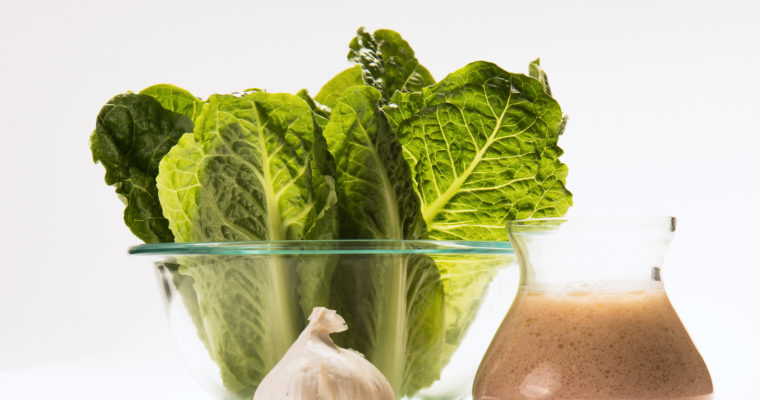
  At dinnertime, my mother always placed a bottle of salad dressing on our kitchen table next to a bowl of pale iceberg lettuce pieces.  Always Wish Bone.  Always Italian. I’m an unrepentant foodie. I love food. Cooking is a delight for me. I love…

Happy Pi(e) Day

Happy Pi(e) Day

  Today is Pi Day. (Today also is Einstein’s birthday, if you have forgotten.) So, of course, there was no question what type of recipe should be featured on Blue Cayenne. Pie. Make that a delicious peach pie.   If you’ve forgotten your math, Pi…

Swiss Chard Pie with A Vodka Crust

Swiss Chard Pie with A Vodka Crust


I was out of vodka.

For years I’ve relied upon my neighbors to loan me a little of this and a little of that–a couple eggs or a cup of milk. But…it is an entirely different thing to call a neighbor and ask to borrow a cup of vodka–particularly at 10 a.m.

Me: May I borrow a cup of vodka? It’s for a pie crust.

Them: (Long pregnant pause) Sure.  Err…Everything OK there with you and Juliet?

You won’t find anyone who appreciates a great pie crust more than I do and I’ve been hearing about vodka pie crust for a very long time. People have told me that the crust is especially flaky.

But why in the world would you  put liquor into a pie crust? Here is what Layla Eplett wrote in Scientific American:

“I learned of this option through a recipe in Cook’s Illustrated, from their quest to make a Foolproof Pie Dough. The vodka rationale isn’t to intoxicate your pie–it has to do with gluten. Liquids are essential to pie crusts because they bind the dough together; however, they can present challenges. When liquids are added to flour, two wheat flour proteins–gliadin and glutenin–form gluten, which can toughen the dough. So how do you bind fat and flour together but avoid gluten formation? The trick appears to be using a hard liquor such as vodka–since 80 proof vodka is only 60% water, it combines the dough but doesn’t contribute to gluten formation. In their cookbook, The Science of Good Cooking, Cook’s Illustrated explains “…gluten won’t form in alcohol. The ethyl alcohol in vodka and other liquors does not attach itself in the same way as water. Because of this, it does not hydrate the proteins, and therefore does not aid in gluten formation.”

It doesn’t have to be vodka; other liquors also work–Alton Brown has made an apple pie with an apple brandy crust, as well as a pecan pie with a bourbon crust. By substituting 50% of a liquid in a recipe with hard liquor, this technique can be applied with your favorite recipes–something I recently tried using this amazing recipe for Meyer Lemon Meringue Pie from Chez Panisse.”

In the end, the pie crust was everything I wanted it to be and, by a stroke of luck, I found just enough vodka deep in the recesses of my cupboard to spare me the humiliation of asking my neighbor for a nip.

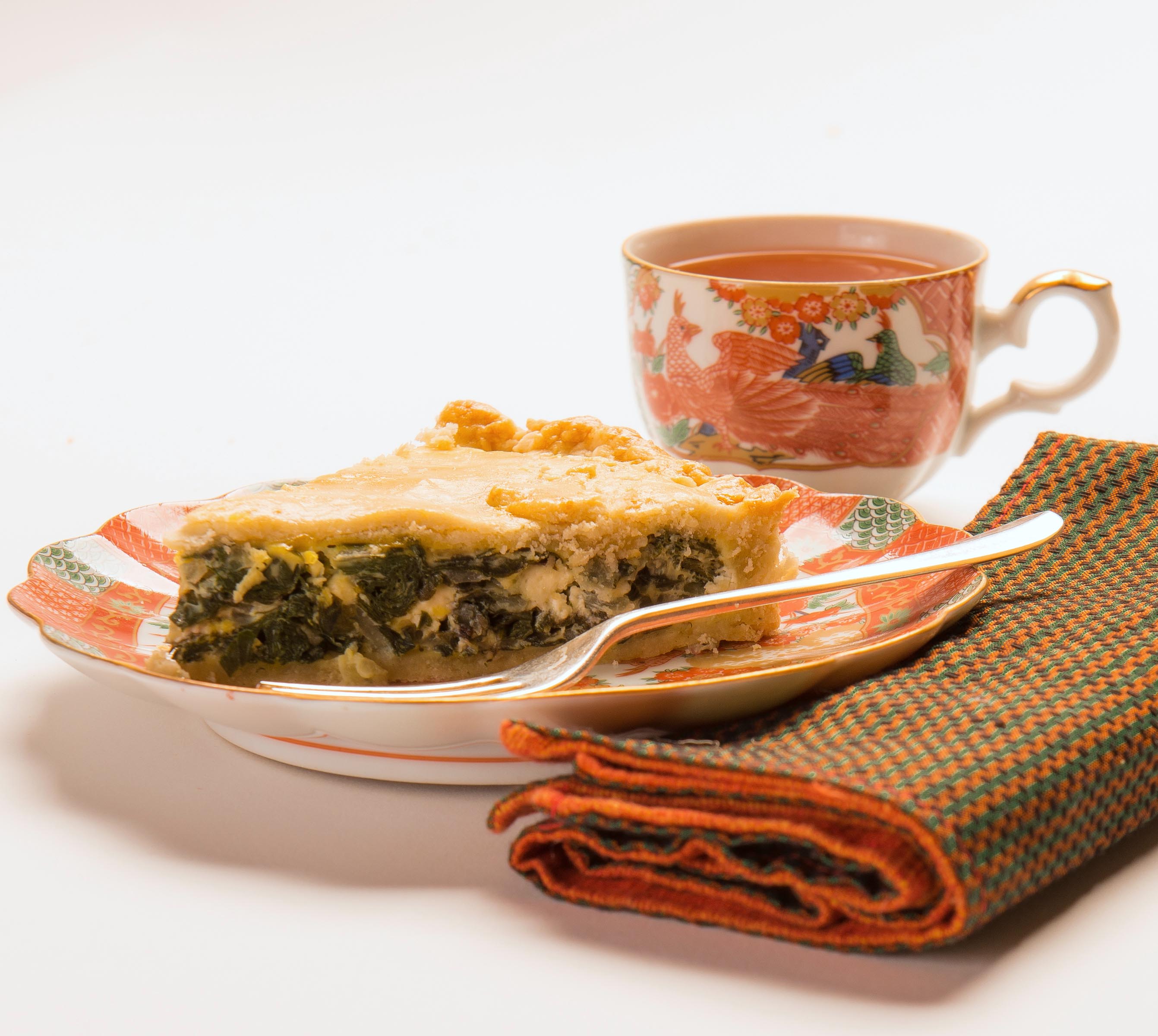
I paired the crust with an eggy chard, onion and feta filling and served slices of the pie with a garlicky romaine salad. Very. Very good.

Swiss Chard Pie with Vodka Pie Crust
Save RecipeSave Recipe

Ingredients

    For the Vodka Pie Crust
  • 2 1/2 C. (12 1/2 ounces) unbleached all-purpose flour
  • 1 t. table salt
  • 2 T. sugar
  • 12 T. (1 1/2 sticks) cold unsalted butter (cut into 1/4 inch slices)
  • 1/2 C. cold vegetable shortening (cut into 4 pieces)
  • 1/4 C. cold vodka
  • 1/4 C. cold water
  • For the Swiss Chard Pie Filling
  • 2 pounds Swiss chard (stemmed and washed thoroughly)
  • Salt
  • 2 T. extra virgin olive oil
  • 1 large onion (chopped)
  • 2 large garlic cloves (minced or pressed)
  • 1/4 C. chopped fresh herbs (preferably a combination of dill and parsley or 1 t. each dried thyme and oregano; I used a combination of fresh parsley and fresh thyme and oregano)
  • 3 large eggs (beaten)
  • 4 ounces feta cheese (crumbled)
  • Freshly ground pepper
  • Vodka pie crust

Instructions

    Instructions for the vodka pie crust:
  1. Put 1 1/2 C. flour, salt and sugar into the bowl of a food processor. Pulse briefly to mix.
  2. Add the cold butter and the cold shortening and process briefly until the dough begins to come together in clumps. Use a rubber spatula to scrape down the sides of the processor bowl and stir the flour mixture to redistribute all the ingredients evenly. Add the remaining cup of flour and pulse to mix. Empty the dough mixture into a medium bowl.
  3. Sprinkle cold water and cold vodka over the dough in your bowl. Use a rubber spatula or your hands to mix the liquids into the dough. Your goal is to have a dough that is slightly tacky and that sticks together. Divide the dough into two equal pieces and roll it into a ball. Wrap the balls in plastic wrap and press the dough balls down to form two 4-inch disks.
  4. Refrigerate dough for at least 45 minutes (or up to 2 days).
  5. Instructions for the pie filling:
  6. Prepare chard. Wash in two changes of water to be sure to get rid of any dirt or grit that clings to the leaves. Drain and tear chard leaves off the stems. (I used kitchen scissors and I had the chard prepared in no time.) Discard the stems or use for another purpose.
  7. Preheat oven to 375 degrees F. Butter a tart pan with a removable bottom.
  8. Bring a large pot of salted water to boiling. Submerge prepared chard in the boiling water and blanche for one minute. Remove chard from boiling water using a slotted spoon and submerge the blanched chard in a large bowl filled with ice and water. Let the chard cool and then drain. Squeeze water out of the chard and chop coarsely. Set aside.
  9. Heat olive oil in a large skillet and sauté the onions, stirring often. You want the onion to be tender but not browned. This will take about five minutes. Add the garlic and quickly stir it into the onion mixture. This will take about 30 seconds to one minute. The garlic is done when it becomes fragrant. Add the greens, herbs, and 1/2 t. salt to the mixture and stir for about a minute. You want the greens to be coated with the oil in the pan. Remove from the heat.
  10. Beat eggs. Remove 2 T. of the beaten eggs for brushing the crust of the pie. Crumble the feta into the beaten eggs. Stir this mixture into the greens. Season to taste with salt and pepper.
  11. Roll out half of the vodka pie dough and line the bottom of the tart pan with the dough. Fill the tart pan with the chard filling. Roll out the other half of the dough and drape it over the top of the pie.Crimp the edges of the dough together to seal. Cut slits in the top of the pie crust to allow steam to escape from the pie as it cooks. Brush the top of the crust with beaten egg.
  12. Bake 40-50 minutes until the crust of the pie is golden. Serve hot, warm or at room temperature.

Nutrition

Calories

3368 cal

Fat

236 g

Carbs

241 g

Protein

34 g
Click Here For Full Nutrition, Exchanges, and My Plate Info
7.8.1.2
118
https://bluecayenne.com/swiss-chard-pie-with-a-vodka-crust


Here are the links to the original recipes from which this recipe was adapted: Cook’s Illustrated’s Foolproof Pie Dough Recipe and Martha Rose Schulman’s Chard Pie.


SaveSave

SaveSave

SaveSave

SaveSave

SaveSave

SaveSave

SaveSave

SaveSave

SaveSave

SaveSave

SaveSave

SaveSave

SaveSave

SaveSave

SaveSave

SaveSave

SaveSave

SaveSave

SaveSave

SaveSave

SaveSave

SaveSave

SaveSave

SaveSave

SaveSave

SaveSave

SaveSave

SaveSave

SaveSave

SaveSave

SaveSave

SaveSave

SaveSave

SaveSave

Roasted Cauliflower Salad with Chickpeas, Tahini and Avocado

Roasted Cauliflower Salad with Chickpeas, Tahini and Avocado

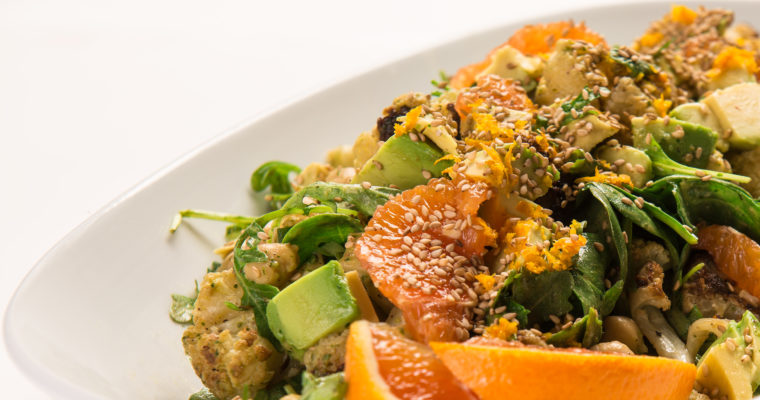
    This recipe for Roasted Cauliflower Salad with Chickpeas, Tahini and Avocado has everything–good proteins, healthy cruciferous cauliflower, peppery watercress, and beautiful Cara Cara oranges. Did I mention there are avocados, too? And, oh! those Cara Cara oranges! I’ll admit that I’ve fallen head-over-heels…