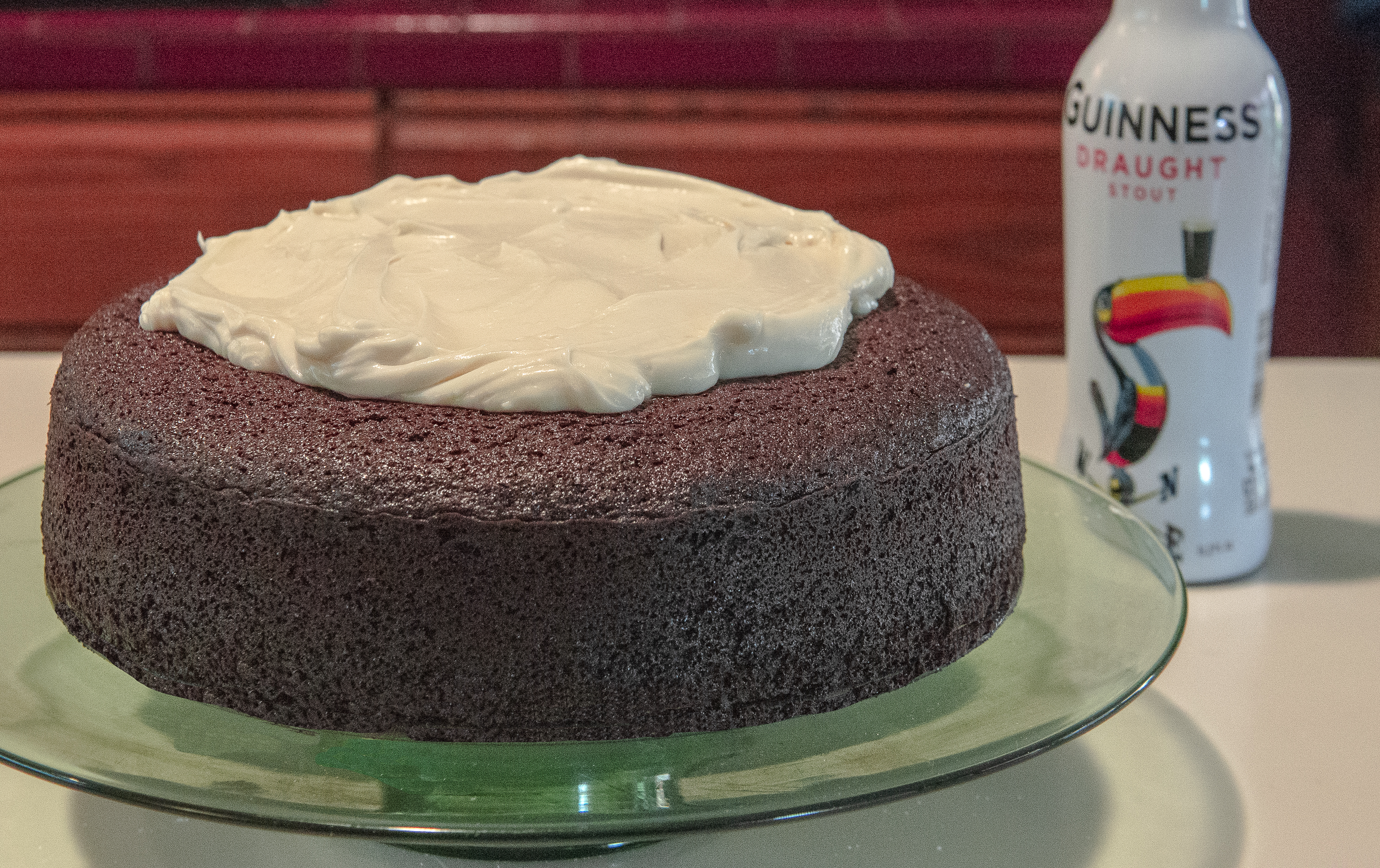
Bailey’s Irish Cream Poundcake
May you have rye bread to do you good, Wheaten bread to sweeten your blood, Barley bread to do you no harm And oatmeal bread to strengthen your arm. …and a wee bit of Bailey’s Irish Cream. Wishing you a happy St.…
Food, Photography and Bons Mots
May you have rye bread to do you good, Wheaten bread to sweeten your blood, Barley bread to do you no harm And oatmeal bread to strengthen your arm. …and a wee bit of Bailey’s Irish Cream. Wishing you a happy St.…
Happy Year of the Pig. I’m a bit late cooking for Chinese New Year. Life got in the way. Here is a wonderful stir fry served with noodles that I’m pretty sure you will enjoy. No pigs here, though, just a great melange of…
My French neighbor, Nicole, loves Sweet Juliet. When she visits, she often greets Juliet with an affectionate mon petit chou. (Translated, that means “my little cabbage.”)
Juliet has that effect on people. Absolute strangers and friends alike shower her with kind words and sweet kisses. Call her a sweet little cabbage; it’s all good to Juliet. She shamelessly basks in the attention.
But…who knew that cabbage could be part of an endearment? Then, again, why not? There is a lot to love about cabbage. Cabbage is beautiful. It has been a part of a healthy and low-cost diet for a very long time. It is rich in vitamins and minerals and low in calories. A cup of cabbage has 0.1 grams of fat!
So, here is a wonderful cabbage recipe. (How’s that for a segue?)
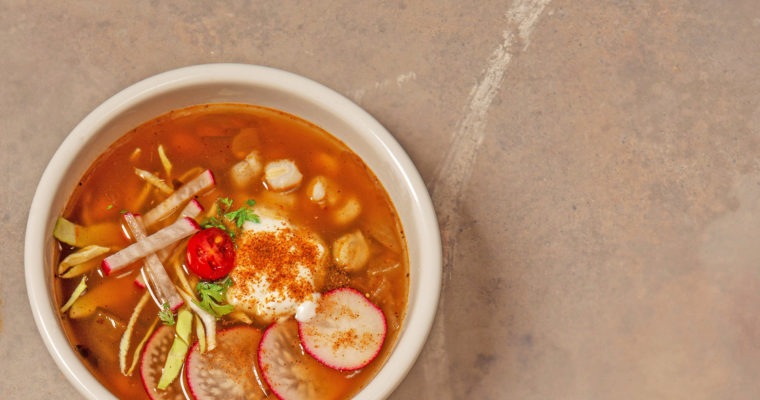
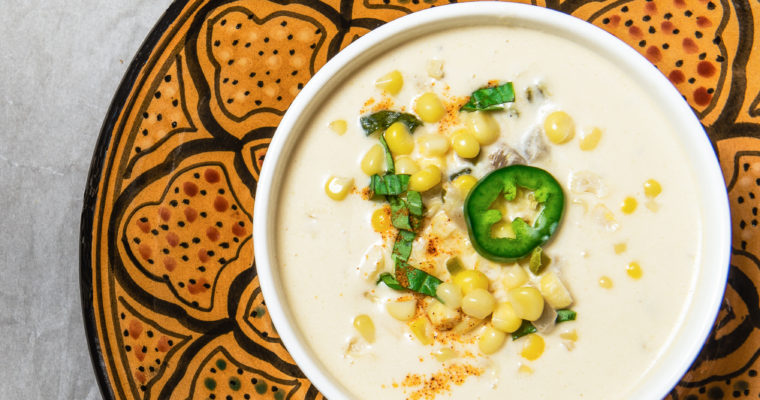
The shredded cabbage in this soup gives it a mellow flavor that is wonderful–reminiscent of classic French onion soup.
Top this soup off with some grated Asiago cheese and you will be cooing sweet nothings in no time.
Save RecipeIngredients
Instructions
This recipe is adapted from a Melissa Clark recipe that appears on the New York Times food site.
I’m loving this dish. Couscous has long been a staple food in North Africa’s Maghreb but it has become popular around the world in recent years. I remember discovering it on a long-ago trip to startlingly-beautiful and exasperatingly-strident Morocco. Most of us here in the…
Just in time for Valentine’s Day. Roses. These sweet little roses are made with apples, puff pastry, a wee bit of apricot jam and a smidge of creativity. Trust me. You can do this. Despite looking intricate, these apple roses are a cinch to make…
You’ll want to treat yourself to this one! It’s decadently delicious.
While applesauce cake has been around in America since colonial times, it became especially popular during WWI. In fact, it was considered downright patriotic to eat applesauce cake during the war. By foregoing the use of scarce ingredients, bakers were praised for freeing up resources for soldiers and allies.
Ever resourceful, creative American cooks discovered that they could substitute applesauce for the fats and sugars in their baking without sacrificing either flavor or texture in their baked goods.
This recipe is an adaptation of a Julia Turshen recipe from the New York Times.
Save RecipeIngredients
Instructions
OK. It’s no polar vortex, but it is cold, dark and rainy here in SoCal—window-rattling thunder, too. My nerves are noticeably jangled. Sweet Juliet, with plaintive break-your-heart “Mom: Make it stop” eyes, is hiding among the folds of her favorite blanket. No question. We’re quite…
How do you define elegance? Audrey Hepburn? That exquisite little black dress at Nordstrom’s? Dinner at The French Laundry? Camilla Parker Bowles? (OK. Just kidding about that last one.) It may be time to revisit your definition and add this delightful cookie to…
John F. Kennedy famously remarked that a White House dinner he held for Nobel Prize winners was “the most extraordinary collection of talent, of human knowledge, that has ever been gathered at the White House, with the possible exception of when Thomas Jefferson dined alone.”
Ah, Jefferson.
He was the principal author of the Declaration of Independence, the third President of the United States and a devotee of macaroni and cheese.
Macaroni and cheese?
Jefferson was a foodie.
Macaroni and cheese was proudly introduced to America at his table at Monticello. Jefferson had discovered the dish during his five-year sojourn in Paris. There, he fell in love with French food and was so besotted with macaroni and cheese in particular that, when he returned to America, he was sure to bring back a recipe –along with a macaroni pasta extruder (America’s first!). Thereafter, he enthusiastically served macaroni and cheese at Monticello and at state dinners during his Presidency.
To be sure, you can get macaroni and cheese in various forms these days. It doesn’t have to be a gourmet dish.
You can get it deep-fried at fairs (ugh!) and sometimes wrapped in pastry (interesting!) and vended from food carts on the streets of urban America. Then, of course, you can make your own from those ubiquitous boxes of Kraft Macaroni and Cheese found on every shelf in every market in every city and town in America–a standby for harassed moms and broke college students. Kraft Macaroni and Cheese, by the way, has been around since the American Depression when it was advertised as feeding 4 people for 19 cents. Wow!
Jefferson, I think, would be appalled. For him, macaroni and cheese was an epicurean delight to be enjoyed in elegant surroundings– not some fried food on a stick.
Like Jefferson, I appreciate the elegance and subtleties of macaroni and cheese and it is a favorite dish on my table. In fact, one of the first dishes I learned to cook was macaroni and cheese. It was right out of the Good Housekeeping Cookbook (page 112, 1962 edition). I just looked it up to find the page number and found that I had underlined the recipe in bright orange. Made me laugh. The recipe is about as plain-Jane as macaroni and cheese recipes can be but it was delicious and I was a young cook when I used that orange marker.
Recently, during a late-night online recipe crawl, I came across a macaroni and cheese recipe that held the promise of upping my macaroni and cheese game. Tantalizingly, the recipe was one shared by Thomas Keller from his renowned Napa restaurant, Bouchon Bistro, where the dish is served as a part of the restaurant’s annual Thanksgiving dinner for veterans and their families. Keller’s recipe, published in Saveur Magazine, called for substituting some sophisticated cheese– Comte, fontina or Gruyere–for the traditional cheddar. His recipe also has you slow cooking a clove-studded onion in the sauce that is poured over the macaroni. Wow, again!
Here is my adaptation of Keller’s recipe.
Save RecipeIngredients
Instructions
Do Asian vegetables confuse you? Don’t know your bok choy from your choy sum? Neither do I, but when David Tanis, one of my favorite food writers, published this recipe for Glazed Shiitakes With Bok Choy in his New York Times column City Kitchen, I soon found…

| M | T | W | T | F | S | S |
|---|---|---|---|---|---|---|
| 1 | 2 | 3 | 4 | 5 | 6 | 7 |
| 8 | 9 | 10 | 11 | 12 | 13 | 14 |
| 15 | 16 | 17 | 18 | 19 | 20 | 21 |
| 22 | 23 | 24 | 25 | 26 | 27 | 28 |
| 29 | 30 | |||||