Month: July 2018

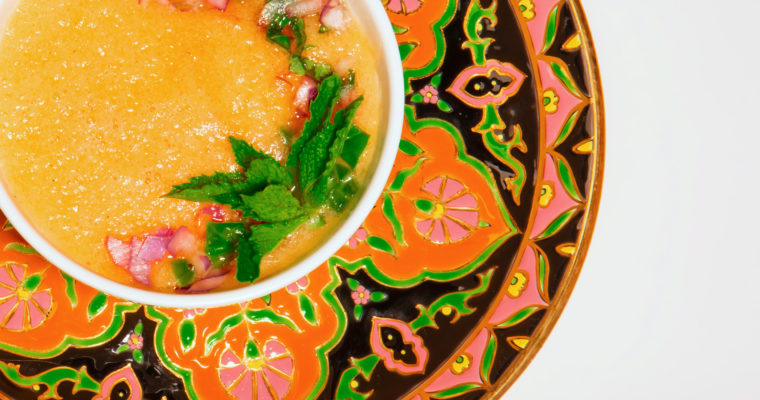
Cantaloupe Soup With Jalapeños, Red Onion and Basil

Cantaloupe Soup With Jalapeños, Red Onion and Basil

  My husband was a very good cook, but he operated with wild abandon when it came to picking recipes. Strawberries, pickles, and powdered sugar? No problem. Needless to say, it made for some interesting meals. I’m more cautious. In my kitchen, the critical first…
Austrian Plum Cake

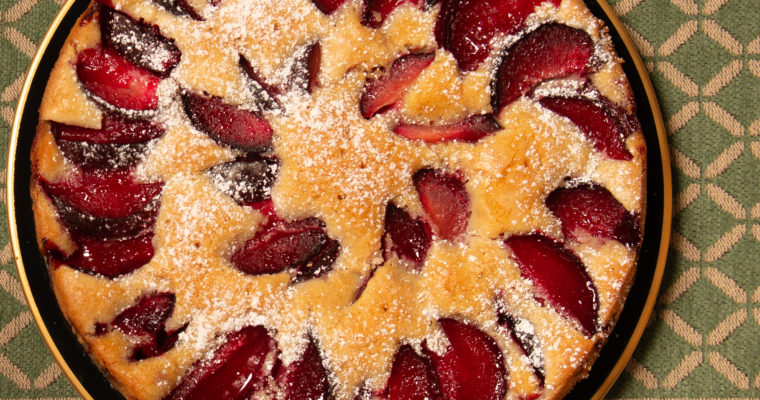
Austrian Plum Cake

      Yes. This is exactly as delicious as it looks, and as elegant, too. To be very honest, it is one of the best plum desserts that I’ve baked this season, and I’ve baked (and happily eaten) my share. The Austrians call this…

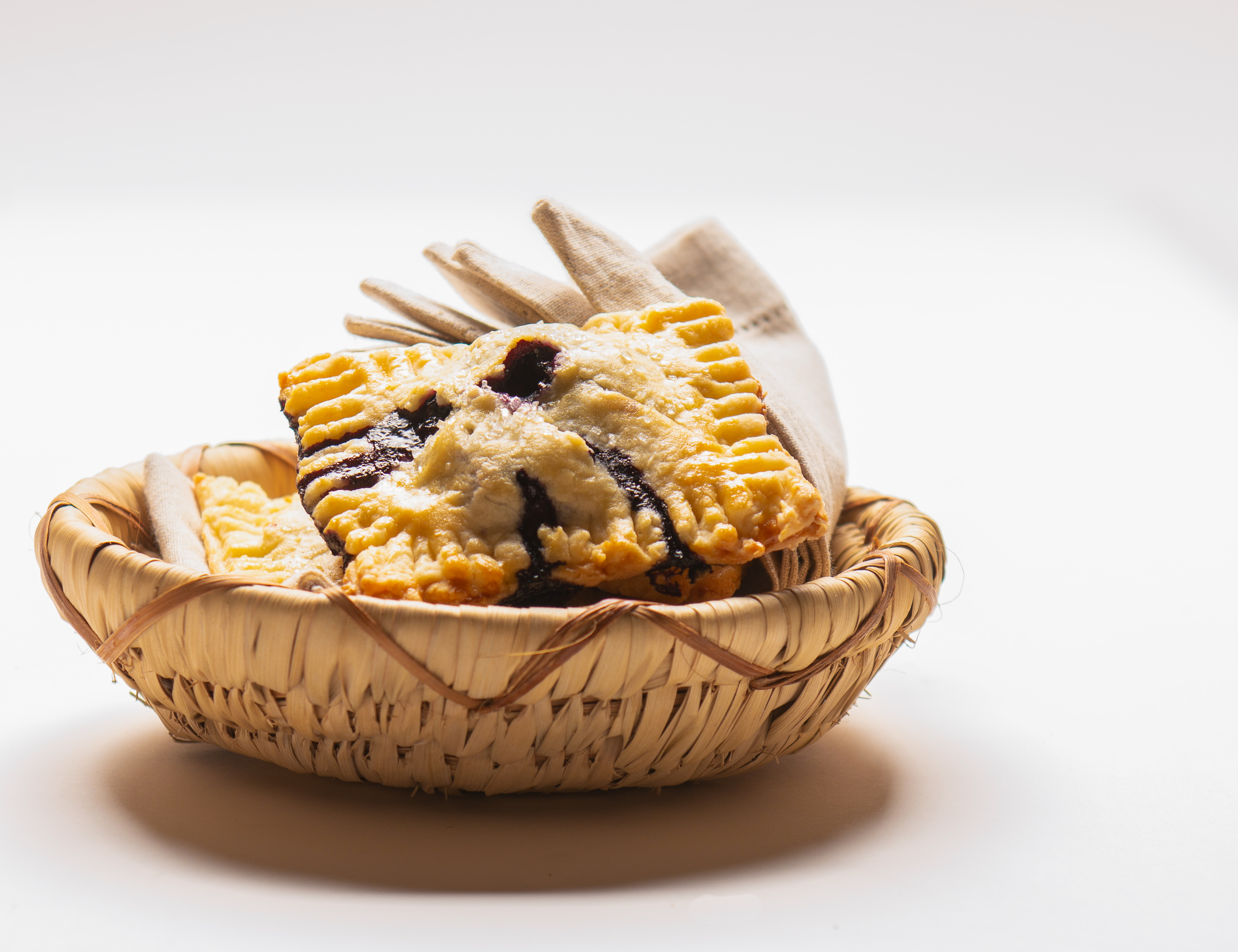
Hand Pies!

Hand Pies!

Egyptian pharaohs, European kings (and queens!) and Cornish miners all ate them. Beggars ate the crusts. Now, they are hot on the culinary scene again and they are delicious.

Hand pies!

Hand pies originated when some smart cook realized that there was a workaround for the fact that foods cooked in early clay ovens burned and dried out as their juices drained into the fires. The problem, they found, could be fixed by encasing the food (mostly meat) inside a several-inch-thick crust and baking the food/pie longer and at a lower heat. As a bonus, the food became portable. When it was time to eat, the thick crust could be broken away and the food consumed. The crusts could then be discarded, used as a thickening roux for stews or handed out to beggars.

According to The American Pie Council, fruit pies didn’t become popular until the 1500s in Europe where their popularity quickly spread among the elite who could afford sweeteners. Reportedly, Elizabeth I was a foodie with a legendary sweet tooth. New World conquests, settlements, and trade had dramatically increased the availability of sugar for English cooks. Elizabeth’s kitchens are credited, bless them, with the first cherry pies.

European pie baking was brought to the Americas by colonists, first as meat pies and then sweet pies as settlers became more familiar with local ingredients.

You can find a lot of Internet postings about hand pies right now. Sur La Table had a class teaching how to make a buttered raspberry hand pie and King Arthur Flour featured this blueberry hand pie recipe as one of its bakealongs. (What’s a bakealong? KAF features one baking recipe each month on its wonderful site. The idea is that readers bake the recipe and then share questions, ideas and outcomes. Whole Grain Banana Bread (here )and  Lemon Bliss Bundt Cake ( here) –recipes previously shared on this site– were bakealongs.)


Hand Pies!
Save RecipeSave Recipe

Ingredients

    Pastry
  • 8 1/2 ounces (2 C.) King Arthur Unbleached All-Purpose Flour
  • 3/4 t. salt
  • 1/2 t. baking powder
  • 8 ounces (1 C.) cold unsalted butter
  • 4 ounces (1/2 C.) cold sour cream
  • Filling
  • 2 C. blueberries (fresh or frozen)
  • 1 ounce (2 T.) cornstarch
  • 2 3/8 ounces (1/3 C.) sugar
  • 1/8 t. salt
  • 1/2 ounce (1 T.) lemon juice
  • (Note: If you are using frozen berries, increase the amount of cornstarch to 2 1/2 T.)
  • Topping
  • 1 large egg (*beaten)
  • 7/8 ounce (2 T.) white sparkling sugar (for garnish)

Instructions

  1. Preheat oven to 425 degrees F. Line a large baking sheet with parchment paper.
  2. Pastry
  3. Whisk together flour, salt, and baking powder. Using your hands or a processor, mix in the butter. You want the butter to be in large, pea-sized pieces distributed through the flour.
  4. Stir in the sour cream until the sour cream is incorporated into the flour mixture and until the flour mixture begins to come together. I found this was a pretty crumbly mixture at this point; it didn't come together into a solid ball until I kneaded it a few times on my counter.
  5. Turn the dough out onto your counter (lightly floured) , knead it a few times to form it into a ball and then shape it into a rough log. Next, using a rolling pin, roll the dough out into an 8 inch by 10 inch rectangle. Dust both sides of the rectangle with flour and, starting with the shorter end, fold the dough into three parts like a business letter.
  6. Turn your dough over and give it a 90 degree turn. Roll it out again into an 8 inch by 10 inch rectange. Again, fold it into three.
  7. Wrap the dough in plastic wrap and chill in your refrigerator for at least 30 minutes.
  8. Filling
  9. Wash and drain your berries if you are using fresh berries. Put the berries into a saucepan. Whisk cornstarch and sugar together and pour over the berries. Add salt and lemon juice and stir. Heat this mixture over medium-high heat until the liquid in the pan begins to simmer. Then turn the heat down to medium and cook for about 5 minutes. Be sure to stir the mixture as it is cooking and take it off the heat when it begins to thicken.
  10. To Assemble The Pies
  11. Remove the dough from the refrigerator and roll into a 14 inch by 14 inch square. Cut the dough into 3 1/2 inch squares. You will have sixteen squares. If the dough begins to heat up and becomes sticky and hard to handle, put it back in the refrigerator for 20 minutes or so. I've had to do this and the dough firmed up nicely.
  12. Place one heaping tablespoonful of the blueberry filling on each of 8 squares. Brush the edges of the squares with beaten egg; this will help seal the edges of the pies.
  13. Cut vent holes in each of the remaining squares. Place these dough squares over the squares with the blueberry filling. Press the edges closed using the tines of a fork.
  14. Brush the top of each hand pie with beaten egg and sprinkle with sparkling sugar. Again, if the dough has become soft and sticky, put the hand pies into the refrigerator for about 20 minutes to firm up.
  15. Bake for 18-20 minutes at 425 degrees F. When they are done, your hand pies will be a light golden brown color.
  16. Remove the hand pies from the oven and let them cool on your counter for about 20 minutes.
7.8.1.2
143
https://bluecayenne.com/hand-pies


This hand pie recipe is adapted from one that appears on the King Arthur Flour site. Here is the link:  King Arthur’s Blueberry Hand Pies .

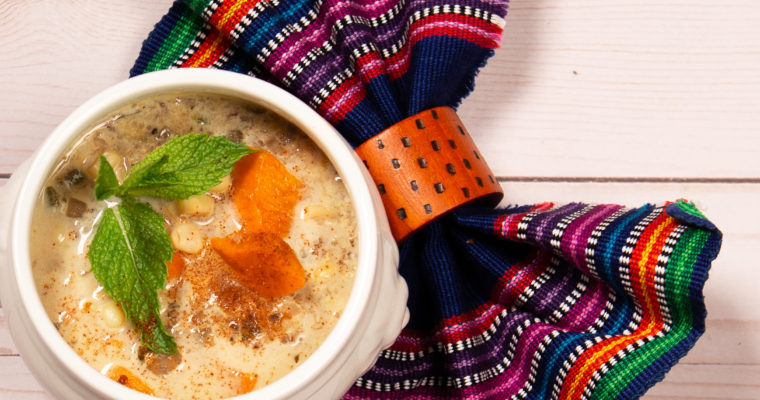
Peruvian Quinoa Chowder

Peruvian Quinoa Chowder

  Cue the pan flutes, or, better yet, throw on an Yma Sumac CD. (If you don’t have a Sumac CD, here is a link: Yma Sumac. Sumac was a 1950’s Peruvian vocal phenom with an amazing five octave vocal range and a legendary temper that befitted…

Zucchini: An embarrassment of riches

Zucchini: An embarrassment of riches

    Stop me if you have heard this one. A neighbor walks into his backyard. Innocently, he plants a generous row of zucchini seeds in his garden. Almost overnight, he has pretty green plants. Then, one morning, to his delight and amazement, there is…

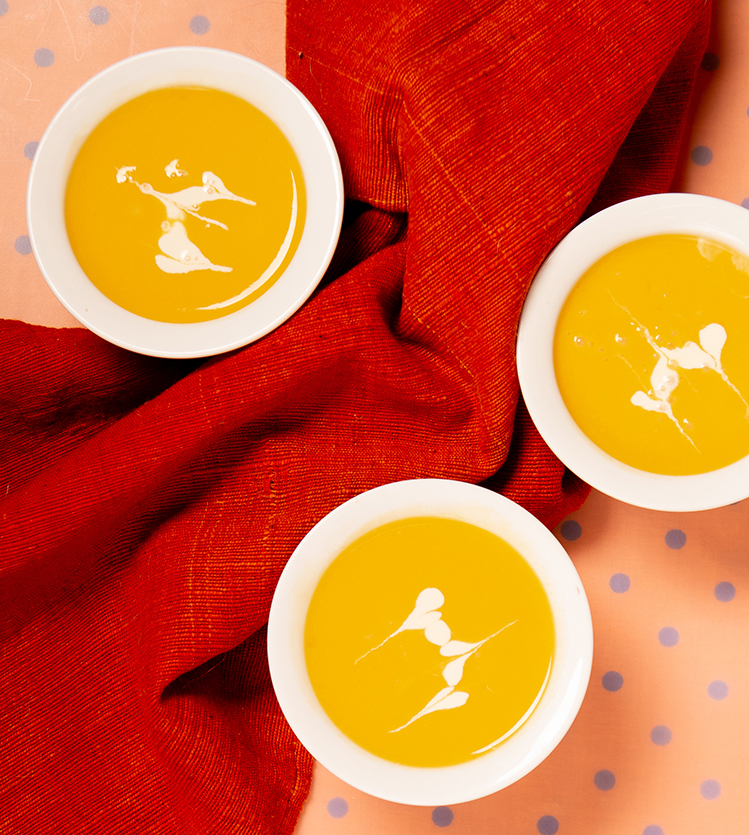
Cream of Carrot Soup Chez Claude

Cream of Carrot Soup Chez Claude


My friend Sarah said to put this recipe on Blue Cayenne. Believe me, when Sarah gets that insistent tone in her voice, Blue Cayenne listens.

I’ve been making this gorgeous (and delicious!) soup for a very long time. This recipe was adapted from one that  first appeared in Gourmet Magazine in 1977.  I’ve added a few extra carrots over the years. 1977! That’s forty-one years ago. Whoa!

In the great scheme of things, forty-one years is a drop in the bucket soup pot. Research done by John Speth, Emeritus Anthropology Professor at The  University of Michigan (Ann Arbor), points to evidence that soup first became a part of the human diet at least twenty-five thousand years ago. That’s a real whoa!

Speth believes that early man dug holes in the ground, lined them with animal skins, filled these “pots” with liquids and other ingredients, and cooked the whole thing by dropping in hot rocks. It was the earliest incarnation of the Instant Pot, I guess.  Later, heat-proof pottery vessels were used.

The word “soup” is a product of more modern European times, evolving as it did from the practice of using a piece of bread to sop up broths and stews–the word sop became soup. Bread was a necessary accoutrement since soup was typically served on the same plate with other foods. At other times, soup was served in a common bowl that was passed around for a common slurp. (Let’s not spend too much time pondering the hygienic ramifications of that practice. Yuck.)

Sixteenth and seventeenth century fashion also impacted soup history. When fashionistas began wearing stiff collars called ruffs, drinking soup out of a bowl (or off a plate) became an even more messy proposition and the soup spoon came into common usage. Spoons weren’t exactly new; they had been around since Pharaonic times, but their use had been primarily ceremonial– a symbol of wealth and power. In the beginning, spoons were a class thing in Europe, too, with the elites using silver spoons or utensils crafted from other valuable materials. Later, cheap spoons for the masses– made out of cow horns, wood, brass and pewter– were adopted. Interestingly, it was common to travel with one’s own utensils.

At about the same time, the practice of selling restorative concentrations of liquid (soups) caught the public’s fancy. Soup was now seen as a health food. It restored flagging energy and the public places where one ate soup were called restaurants.  A little later, in the 1800s, so-called “pocket soups” were popularized. Pocket soups were dehydrated soups that could be easily carried and reconstituted.

More recently, soup became the easy-to-prepare everyman’s food when Campbell’s introduced unrefrigerated condensed soups in the late 19th century followed by the introduction of a seemingly-endless number of soup varieties. (Minestrone with Kale anyone?)

It was probably inevitable that a creative would eventually come along to chronicle the ubiquitous role soup had played  in western society. Enter Andy Warhol with his pop-art homages to Campbell’s soups.


But let’s get back to the present and our recipe for Cream of Carrot Soup Chez Claude.

This velvet-smooth gourmet soup has stood the test of time in my kitchen. Best served the day after it is made when the flavors have had a chance to bloom, this soup is good enough to serve to guests but it is also a great self-indulgent way to wind down after a tough day.

If you do serve it to guests, be sure everyone checks their ruffs at the door. Carrot soup stains are the worst!


Cream of Vegetable Soup Chez Claude
Save RecipeSave Recipe

Ingredients

  • 2 Large potatoes (peeled)
  • 2 Leeks (white parts only, sliced)
  • 2 Stalks celery (chopped)
  • 1 Onion (chopped)
  • 3-4 Large carrots (chopped)
  • 1 Green bell pepper (chopped)
  • 8 Cups vegetable broth
  • 1/2-1 C. heavy cream
  • Salt and Pepper to taste
  • Additional cream for garnish and/or minced parsley

Instructions

  1. Prepare vegetables, put them in a large soup pot and sweat them over a moderately low heat for 8 minutes covered with a piece of buttered wax paper and a lid.
  2. Add 8 cups of mild vegetable broth. Bring the soup to a boil and then turn down the heat and simmer the soup over a low heat for 30 to 40 minutes or until the vegetables are tender.
  3. Cool the soup a bit and then puree. Add cream to your taste. Garnish with additional cream and/or minced parsley. Add salt and pepper to your taste.

Nutrition

Calories

1869 cal

Fat

173 g

Carbs

71 g

Protein

16 g
Click Here For Full Nutrition, Exchanges, and My Plate Info
7.8.1.2
140
https://bluecayenne.com/cream-of-carrot-soup-chez-claude
)


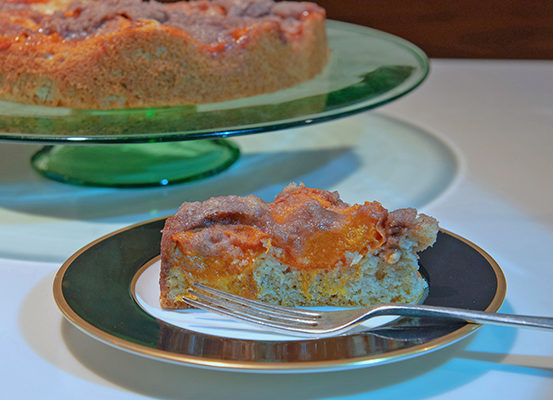
Apricot Crumble Cake

Apricot Crumble Cake

Apricots evoke strong emotions. For poet John Ruskin, they conjured up a visual and tactile beauty. He described them as “shining in a sweet brightness of golden velvet.” For Chilean novelist Isabel Allende, theirs was a melancholy comfort. She wrote: “At the most difficult moments…